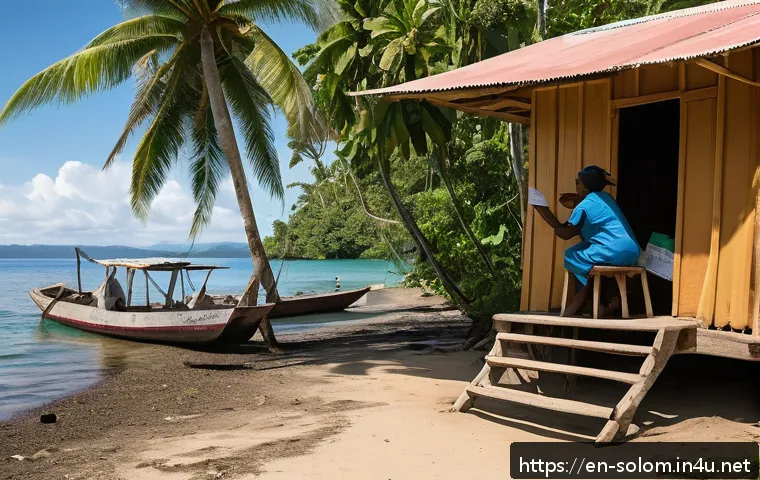
Navigating healthcare in the Solomon Islands reveals a unique blend of challenges and resilience, especially for those living in remote areas. With recent efforts to improve medical access amid ongoing infrastructure hurdles, understanding how hospitals and clinics operate here is more relevant than ever.
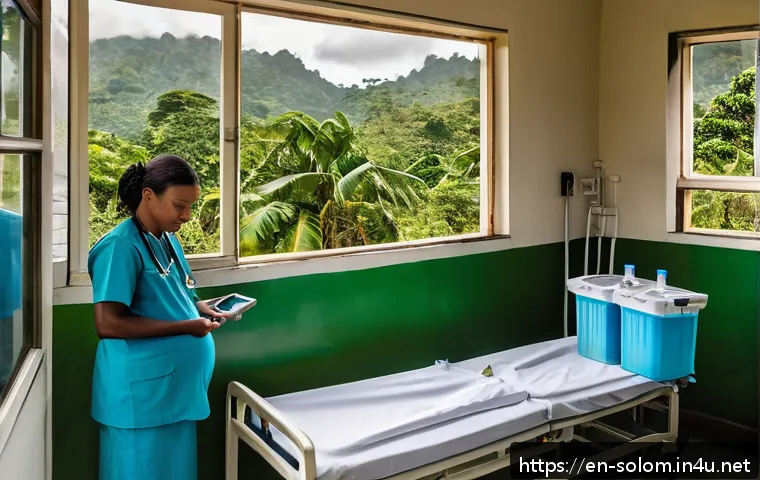
Whether you’re curious about the frontline healthcare workers or the community-driven solutions making a difference, this guide sheds light on the realities faced by island residents.
Join me as we explore the heartbeat of healthcare in this stunning yet underserved region, uncovering stories of hope and innovation along the way. This journey promises insights that go beyond statistics, bringing you closer to the human side of medical care in the Pacific.
Healthcare Infrastructure and Accessibility Challenges
Geographical Barriers and Transportation Issues
The Solomon Islands consist of nearly a thousand islands scattered across a vast oceanic area, which creates one of the toughest challenges for healthcare delivery: physical access.
Many communities are located on remote, small islands with limited or no regular transportation options. For residents, reaching the nearest clinic or hospital often involves long, unpredictable boat rides or even walking through dense jungle terrain.
This geographical fragmentation means that even basic medical supplies can take days or weeks to arrive. From personal experience chatting with locals, they often tell stories of urgent cases where delays in transport have had critical consequences.
Emergency evacuation is a luxury few can afford, and that reality pushes both patients and healthcare workers to rely heavily on what’s available locally, despite its limitations.
Resource Constraints and Facility Conditions
Most healthcare facilities in the Solomon Islands operate with minimal infrastructure and equipment. Many clinics are small, with only a handful of beds and limited diagnostic tools.
Power outages are common, and running water is not always guaranteed. This scarcity affects everything from sterilization procedures to refrigeration for vaccines and medicines.
Nurses and doctors often have to improvise or prioritize which patients receive care due to these shortages. During my visits, I noticed how health workers display remarkable adaptability and dedication, often working long hours under these tough conditions.
Their commitment is a testament to the resilience ingrained in the healthcare system, even when modern technology and resources are far from sufficient.
The Role of Community Health Posts
In areas where hospitals are out of reach, community health posts serve as the frontline for basic medical care. Staffed by trained community health workers or nurses, these posts provide essential services like vaccinations, maternal health support, and treatment for common illnesses.
The community health posts are usually modest buildings, sometimes even repurposed homes, but they are vital hubs for preventive care and health education.
These posts also act as communication points, alerting district health authorities when more serious cases arise. What struck me most was how these health workers often double as trusted advisors and advocates, bridging the gap between traditional beliefs and modern medicine in a culturally sensitive way.
Human Resources and Healthcare Workforce Dynamics
Training and Retention of Medical Staff
One of the persistent challenges in the Solomon Islands’ healthcare sector is recruiting and retaining qualified personnel. Many trained doctors and nurses tend to leave for better pay and working conditions abroad or in urban centers.
The government and NGOs have implemented training programs locally to build capacity, but there’s still a significant shortage, especially in rural areas.
From conversations with several health professionals, I learned that those who stay often do so out of a deep sense of community responsibility rather than financial incentives.
This dedication is inspiring but also highlights the urgent need for sustainable workforce support, including better salaries, housing, and professional development opportunities.
Community Health Workers as Vital Support
Community health workers (CHWs) form the backbone of rural healthcare. Their role extends beyond clinical tasks to include health promotion, disease surveillance, and acting as liaisons between the formal health system and local populations.
Many CHWs come from the communities they serve, which helps build trust and ensures culturally appropriate care. I had the chance to shadow a CHW during a village visit, and the level of respect and reliance the community places on them was palpable.
These workers often carry the weight of multiple responsibilities, balancing healthcare delivery with educational outreach and sometimes even logistical coordination for supplies.
Challenges in Professional Development
Ongoing training and skill upgrades for healthcare workers remain limited, which can impact the quality of care. Internet connectivity issues and budget constraints mean that access to continuous medical education or telemedicine support is spotty at best.
Many health workers rely on occasional workshops or visits from external trainers to stay updated. From what I gathered, introducing more robust and frequent training sessions, combined with mentoring and peer support networks, could significantly boost morale and improve clinical outcomes in the long run.
Community-Driven Innovations and Health Initiatives
Local Solutions for Health Challenges
Despite the hurdles, many Solomon Island communities have developed innovative ways to tackle healthcare challenges. For example, some islanders have created volunteer-run transport systems using small boats to ferry patients to clinics during emergencies.
Others have established local herbal gardens to complement traditional medicine with available natural remedies. These grassroots efforts show a deep understanding of their own needs and resourcefulness.
I was particularly impressed by a village health committee that organized monthly health talks and hygiene campaigns, significantly reducing common illnesses in their area.
Partnerships with NGOs and International Aid
International organizations play a crucial role in supporting health programs, from funding infrastructure projects to training health workers. Collaborative efforts often bring in much-needed supplies, technical expertise, and funding for community health initiatives.
However, there’s an ongoing conversation about ensuring these partnerships respect local culture and build sustainable capacity rather than creating dependency.
From my observations, successful programs are those that actively involve community members in planning and decision-making, fostering ownership and long-term impact.
Use of Mobile Health Technologies
Mobile phone penetration is growing in the Solomon Islands, and some health programs have started to leverage this for better communication and service delivery.
SMS reminders for vaccination schedules, mobile data collection for disease surveillance, and teleconsultations are slowly becoming part of the health landscape.
While infrastructure limitations still pose challenges, these technologies offer promising avenues to bridge gaps in access and information. During a field visit, I saw firsthand how a nurse used a simple smartphone app to record patient data and receive guidance from specialists in the capital, which was a real game-changer for her workflow.
Preventive Care and Public Health Priorities
Maternal and Child Health Focus
Maternal and child health remains a top priority given the high rates of preventable complications and mortality. Efforts to improve antenatal care, skilled birth attendance, and nutrition education have shown positive trends, but barriers persist.
Many women still give birth at home due to distance, cultural preferences, or lack of trust in formal health facilities. I heard stories from mothers who valued traditional birth attendants yet appreciated the safety net that clinics offer when complications arise.
Strengthening linkages between traditional practices and modern care is an ongoing challenge that requires sensitivity and community engagement.
Combating Infectious Diseases
The Solomon Islands face endemic challenges with diseases such as malaria, tuberculosis, and respiratory infections. Public health campaigns focusing on mosquito control, vaccination, and early diagnosis are critical components of disease control strategies.
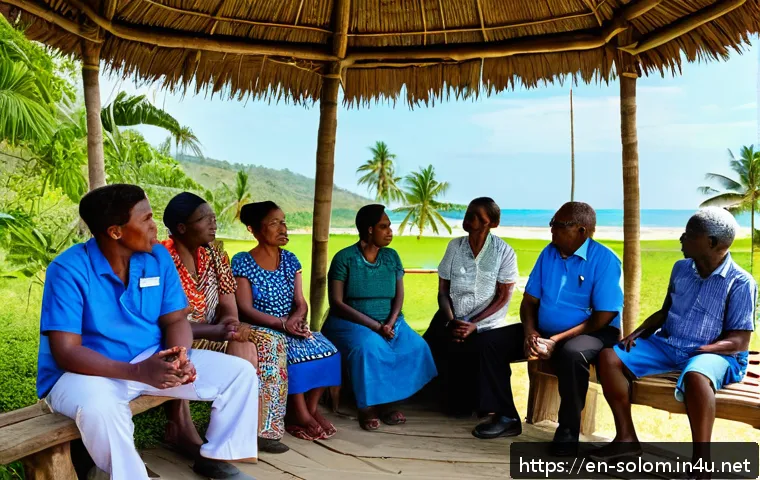
I noticed that community participation in these programs is crucial; without local buy-in, efforts tend to falter. In some areas, misinformation and myths about diseases also hamper prevention efforts.
Health workers spend significant time not only treating illnesses but also educating communities to dispel fears and promote healthy behaviors.
Nutrition and Chronic Disease Awareness
Nutrition-related problems, including malnutrition and rising rates of non-communicable diseases like diabetes and hypertension, are growing concerns.
Changes in diet, often influenced by imported processed foods, have contributed to this shift. Public health messaging around healthy eating and lifestyle choices is becoming more prominent, but economic and cultural factors limit how much change is possible.
From what local health educators shared with me, programs that incorporate traditional food practices and community cooking demonstrations tend to resonate better and achieve more sustainable results.
Emergency and Specialized Medical Services
Emergency Response Capabilities
Emergency medical services are extremely limited, especially outside urban centers. Ambulance services are rare, and emergency departments in hospitals often operate with minimal staff and equipment.
For critical cases like trauma or severe infections, timely intervention is frequently compromised. During a visit to a provincial hospital, I witnessed how nurses and doctors managed to stabilize patients using basic supplies and ingenuity, but the lack of advanced equipment was evident.
Strengthening emergency preparedness and response remains a critical need, especially given the vulnerability to natural disasters such as cyclones and tsunamis.
Access to Specialized Care and Referrals
Specialized medical services, such as surgery, oncology, or advanced diagnostics, are mostly centralized in the capital city, Honiara. Patients from outer islands face not only transportation hurdles but also financial and social challenges when referred for specialized care.
Families often have to stay in the city for extended periods, which can be costly and stressful. From conversations with patients, I gathered that the support systems for families during these referrals are limited, adding emotional strain on top of medical concerns.
Telemedicine initiatives are slowly helping to bridge this gap but are far from widespread.
Traditional Medicine Integration
Traditional healers remain an important part of the healthcare ecosystem. Many Solomon Islanders use traditional remedies alongside or before seeking formal medical care.
There is growing recognition within the health system of the value of integrating traditional knowledge with biomedical approaches. Some clinics have begun collaborating with traditional practitioners to ensure patients receive holistic care without harmful delays.
This blend of old and new practices reflects the cultural fabric of the islands and offers a unique model for patient-centered care.
Healthcare Funding and Sustainability Efforts
Government Healthcare Spending
The Solomon Islands government allocates a portion of its budget to healthcare, but overall funding remains modest compared to the scale of needs. Financial constraints limit the expansion of facilities, procurement of medicines, and hiring of staff.
From policy documents and health workers’ insights, it’s clear that maximizing existing resources through efficiency and community involvement is a focus area.
Increasing healthcare funding is a continuous advocacy point for stakeholders within and outside the country.
Donor Contributions and Aid Impact
International donors, including Australia, New Zealand, and various UN agencies, provide significant support for health programs. These funds help fill gaps in infrastructure, training, and disease control.
However, reliance on external aid can pose risks if funding priorities shift. Sustainable development strategies emphasize building local capacity and infrastructure to reduce dependency.
I’ve seen successful projects that transitioned from donor-led to community-managed, which is encouraging for long-term resilience.
Innovative Financing Models
Some communities and organizations have experimented with micro-insurance schemes or community health funds to pool resources for medical expenses. These initiatives aim to make healthcare more affordable and accessible, especially for vulnerable populations.
While still in early stages, they show promise as complementary approaches to government and donor funding. Based on interviews with local leaders, the key to success lies in transparency, trust, and adapting models to cultural contexts.
| Aspect | Current Status | Key Challenges | Examples of Initiatives |
|---|---|---|---|
| Infrastructure | Basic clinics, limited hospitals | Remote access, power/water supply issues | Community health posts, solar power projects |
| Workforce | Shortage of trained staff | Retention, ongoing training | Local training programs, CHW networks |
| Community Involvement | Strong participation | Resource limitations | Health committees, volunteer transport |
| Public Health | Focus on maternal/child health and infectious diseases | Cultural barriers, misinformation | Health education campaigns, vaccination drives |
| Emergency Care | Limited emergency services | Transport and equipment gaps | Telemedicine trials, emergency training |
| Funding | Government and donor reliant | Financial sustainability | Community health funds, donor partnerships |
In Conclusion
The healthcare landscape in the Solomon Islands is shaped by unique geographical, cultural, and resource-related challenges. Despite these obstacles, the resilience of healthcare workers and the active involvement of local communities create a foundation for ongoing improvement. Innovations and partnerships offer promising paths forward, but sustained efforts are essential to build a more accessible and effective system. Understanding these dynamics helps highlight the critical areas needing support and development.
Useful Information to Keep in Mind
1. Geographic isolation makes healthcare access difficult, with many relying on boats or long travel times to reach medical facilities.
2. Limited infrastructure and frequent power outages force healthcare workers to be resourceful and adaptable in delivering care.
3. Community health posts and workers serve as vital links, providing essential services and culturally sensitive care in remote areas.
4. Training and retention of medical staff remain ongoing challenges, with many professionals motivated by community commitment rather than financial gain.
5. Mobile health technologies and local innovations are gradually improving communication, data collection, and emergency response.
Key Takeaways
Healthcare delivery in the Solomon Islands depends heavily on overcoming geographic and infrastructural barriers while fostering community engagement. Strengthening workforce capacity and integrating traditional practices with modern medicine are crucial for improving outcomes. Sustainable funding and collaborative partnerships must prioritize local ownership and cultural respect to ensure long-term success. Ultimately, empowering communities and healthcare providers alike forms the backbone of a resilient health system in this diverse island nation.
Frequently Asked Questions (FAQ) 📖
Q: What are the biggest challenges faced by healthcare providers in the Solomon Islands?
A: Healthcare providers in the Solomon Islands often grapple with limited infrastructure, especially in remote islands where roads and reliable transportation are scarce.
This makes it difficult to deliver medical supplies and access patients in need. Additionally, there’s a shortage of trained medical personnel, which puts extra pressure on frontline workers.
Despite these hurdles, many healthcare workers show incredible dedication, often relying on community support and innovative solutions like telemedicine to bridge gaps.
Q: How accessible are hospitals and clinics for people living in remote areas of the Solomon Islands?
A: Accessibility remains a significant issue. Many remote communities depend on small clinics staffed by nurses or health workers, with major hospitals located in larger towns or the capital, Honiara.
Traveling to these facilities can mean long boat rides or treks through rugged terrain, which not only delays urgent care but also discourages routine check-ups.
Efforts are underway to improve transport links and build more local clinics, but progress is gradual.
Q: What community-driven solutions are making a difference in Solomon Islands’ healthcare?
A: Community involvement is vital here. Local leaders and health volunteers often organize outreach programs to educate people on hygiene, nutrition, and disease prevention.
Some islands have successfully implemented mobile health clinics that visit villages regularly, bringing essential services closer to residents. These grassroots initiatives, combined with government and NGO support, create a network of care that’s tailored to the unique challenges of island life.
From what I’ve seen, this blend of local knowledge and external aid is key to building a more resilient healthcare system.