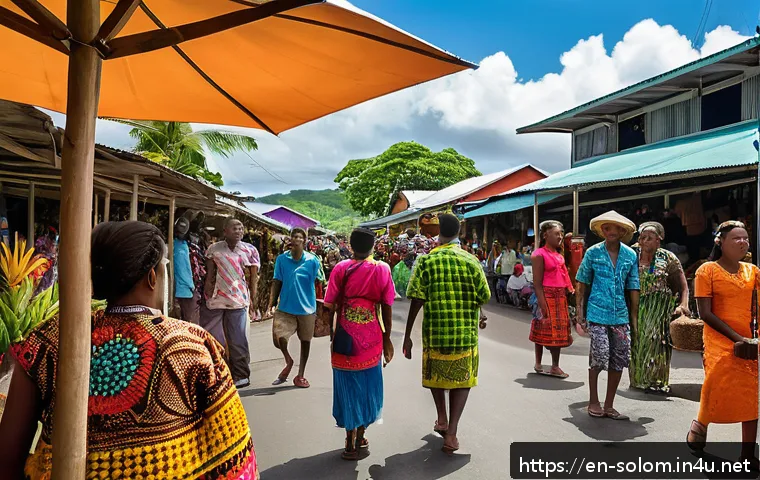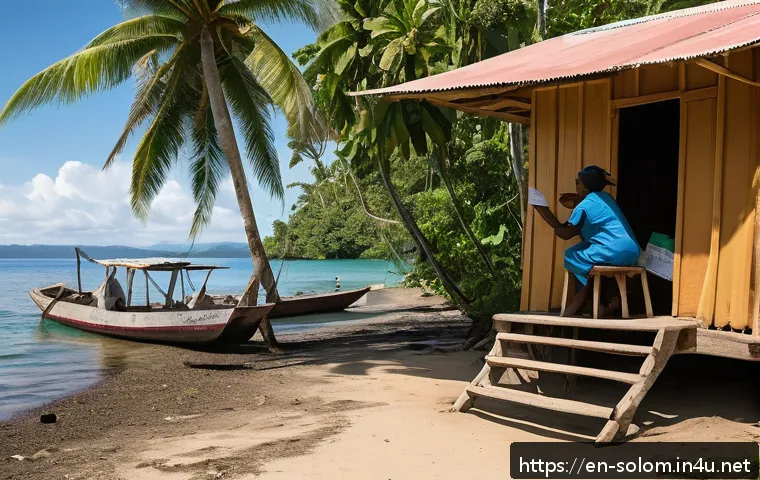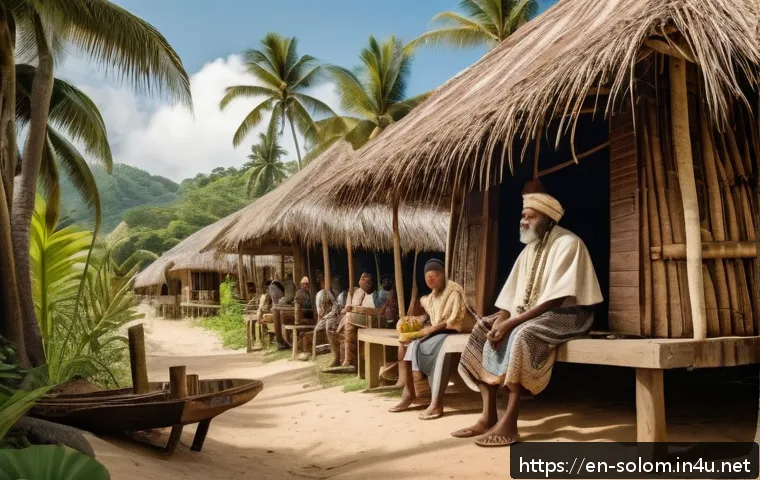
Have you ever wondered how Christianity took root in the remote Solomon Islands? As global conversations increasingly highlight the lasting impacts of cultural exchanges, tracing these historical pathways offers fresh insights into the islands’ unique spiritual landscape.
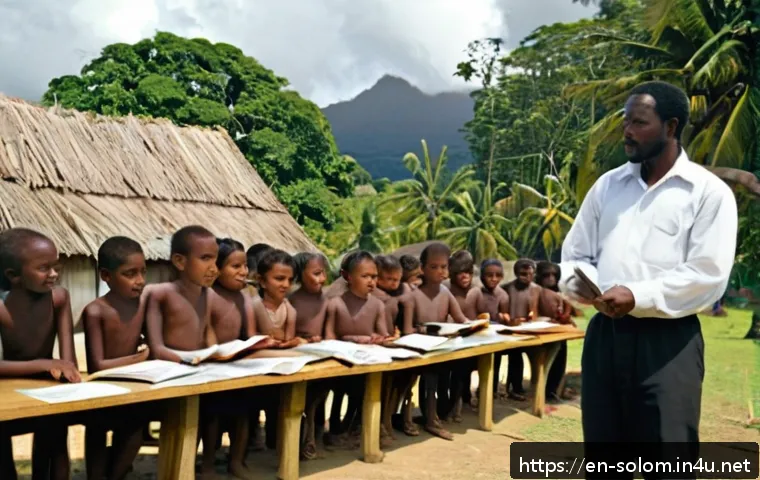
Join me as we explore the fascinating journey of early missionaries who shaped faith and community here, revealing stories that still resonate today. This glimpse into the past not only enriches our understanding but also connects us to a vibrant chapter of history often overlooked.
Let’s dive into this captivating narrative together!
The Arrival of Missionaries and Early Encounters
First Contact with Western Missionaries
When the earliest Western missionaries arrived in the Solomon Islands during the 19th century, they stepped into a world vastly different from their own.
The islands were home to diverse indigenous communities with rich spiritual traditions deeply rooted in nature and ancestral worship. Missionaries from societies like the Melanesian Mission and the Methodist Church faced significant challenges — language barriers, unfamiliar customs, and initial suspicion from locals.
I recall reading firsthand accounts describing how patient dialogue and shared daily activities gradually built trust. The missionaries often lived alongside islanders, learning their languages and customs, which helped soften the initial cultural shock on both sides.
Challenges in Spreading Christianity
Introducing Christianity was not a straightforward task. Many islanders viewed the new faith with curiosity but also skepticism, as it challenged long-held beliefs and social structures.
Some communities resisted conversion, fearing loss of identity or disruption to their traditional way of life. The missionaries had to navigate delicate cultural dynamics, often adapting their methods — incorporating local music, storytelling, and communal gatherings into worship.
This approach made Christianity more relatable and less foreign. From my perspective, this blending of traditions was key to the faith taking root in such a remote and diverse environment.
Building the First Churches and Schools
One of the lasting impacts of the early missionaries was the establishment of churches and schools. These institutions became hubs of community life, education, and spiritual growth.
Missionaries believed education was essential not only for religious instruction but also for empowering the islanders with literacy and new skills. I find it fascinating that many of today’s local leaders trace their heritage back to these missionary-founded schools.
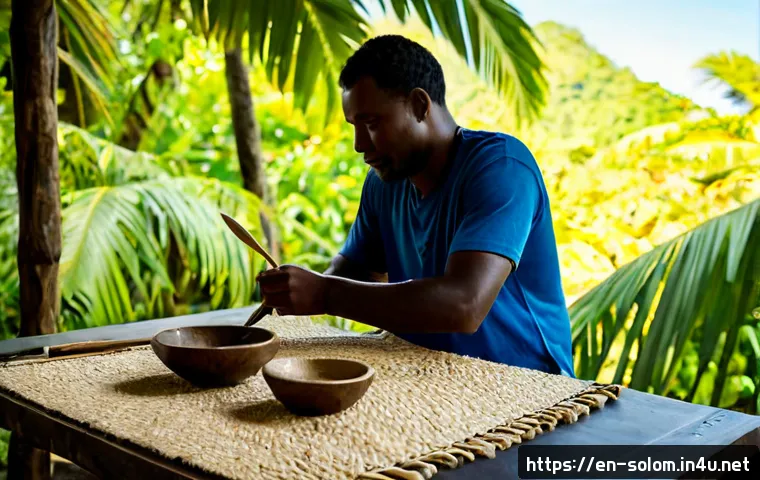
The buildings themselves were often constructed with local materials and craftsmanship, symbolizing a blend of imported faith and indigenous culture.
Transformation of Social Structures through Faith
Community Cohesion and Shared Beliefs
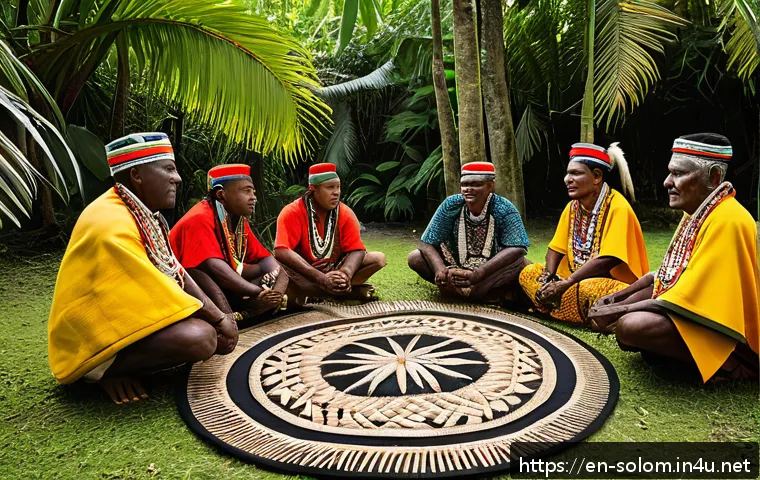
Christianity introduced new frameworks for social organization that influenced community cohesion. Shared religious practices created common ground among diverse tribes and islands, fostering unity.
I have noticed that many Solomon Islanders today emphasize church membership as a core part of their identity. It’s not just about belief but also about belonging to a community that supports mutual aid, conflict resolution, and collective celebrations.
This social glue was a significant shift from the more fragmented clan-based societies of the past.
Impact on Traditional Leadership and Authority
The spread of Christianity also affected traditional leadership roles. Chiefs and elders, who once held spiritual authority based on ancestral worship, found their influence reshaped by Christian teachings.
Some embraced the new religion and integrated it into their leadership, becoming church elders or advocates for education and social development. Others resisted, leading to complex negotiations between old and new power structures.
From what I’ve gathered, these tensions sometimes sparked conflicts but ultimately led to a blending of governance models that persist today.
New Moral and Ethical Frameworks
Christian ethics introduced new ideas about morality, justice, and personal conduct. Concepts like forgiveness, charity, and equality started to influence social norms, including attitudes toward violence, marriage, and communal responsibilities.
I remember reading about how missionaries’ emphasis on literacy and biblical teachings encouraged reflection on these issues, gradually transforming everyday life.
While some traditional practices declined, many islanders found ways to harmonize Christian values with their cultural heritage, creating a unique spiritual synthesis.
Language, Literacy, and Scripture Translation Efforts
Learning Local Languages
One remarkable aspect of missionary work was the dedication to learning and documenting local languages. Rather than imposing English or other colonial languages, missionaries often collaborated with native speakers to develop written forms of indigenous tongues.
This effort not only facilitated communication but also helped preserve cultural identity. I find it inspiring that early translators created alphabets and dictionaries that remain foundational for education and religious practice in the Solomon Islands.
Translation of the Bible and Hymns
Translating the Bible and hymns into local languages was a monumental task that took years of collaboration and linguistic innovation. The goal was to make scripture accessible and meaningful to islanders in their own words.
This process often required creative adaptation to convey theological concepts unfamiliar in indigenous contexts. From my perspective, the success of these translations contributed hugely to the acceptance and growth of Christianity, as worship became a deeply personal and culturally resonant experience.
Education and Literacy Campaigns
Alongside translation, missionaries launched literacy campaigns aimed at teaching islanders to read and write. These efforts went beyond religious instruction, opening doors to broader knowledge and communication.
I’ve seen reports showing how literacy rates increased steadily in regions with missionary presence, empowering communities socially and economically.
Schools became centers not just for faith but also for practical skills, helping shape a literate and engaged population.
Interplay of Christianity with Indigenous Beliefs
Syncretism and Cultural Adaptation
Christianity in the Solomon Islands did not simply replace indigenous beliefs; instead, it often merged with them in fascinating ways. This syncretism allowed islanders to retain elements of their ancestral spirituality while embracing Christian teachings.
For example, traditional rituals and festivals sometimes incorporated Christian prayers or symbols. I find this blending reflects the resilience and creativity of the islanders, who shaped a faith experience uniquely their own rather than passively accepting foreign doctrine.
Resistance and Preservation of Traditions
Not all communities welcomed Christian influence wholeheartedly. Some actively resisted, striving to preserve their ancestral practices. This resistance sometimes led to tensions but also prompted missionaries to reconsider their approach, leading to more respectful dialogue.
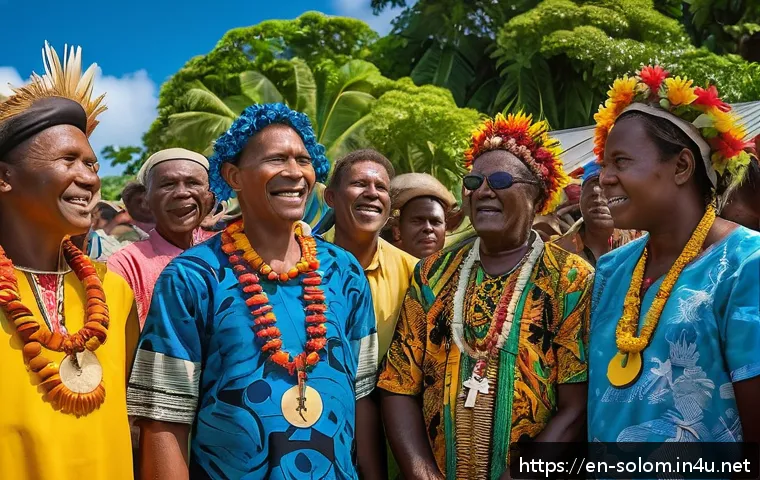
From what I’ve seen, these dynamics underscore the complexity of cultural exchange — it’s rarely one-sided but a negotiation where both sides influence each other.
Modern Expressions of Faith and Identity
Today, many Solomon Islanders navigate their spiritual identity by balancing Christian beliefs with traditional customs. This coexistence is visible in ceremonies, art, and daily life.
I think this ongoing interplay enriches the islands’ cultural tapestry and offers a powerful example of how faith can adapt and thrive without erasing heritage.
Legacy of Missionary Education and Healthcare
Establishment of Schools and Literacy Programs
Missionaries’ commitment to education laid the groundwork for formal schooling across the Solomon Islands. These early schools often combined religious instruction with practical subjects, providing islanders with tools to engage with the modern world.
I’ve come across testimonies from locals who credit missionary schools for their personal success and community development, highlighting the lasting impact of these institutions.
Healthcare Initiatives and Community Wellbeing
Beyond education, missionaries introduced basic healthcare services, including clinics and sanitation programs. These efforts significantly improved community health outcomes, reducing disease and mortality rates.
I remember reading about how missionaries trained local health workers, creating sustainable healthcare networks. This holistic approach to mission work—addressing both spiritual and physical needs—helped build trust and goodwill.
Ongoing Influence on Social Services
The foundation laid by missionaries continues to influence social services in the Solomon Islands today. Churches often remain central to healthcare and education, partnering with government and NGOs.
From my experience researching this, it’s clear that the missionary legacy is woven into the fabric of community support, reflecting a blend of faith-inspired compassion and practical development.
Timeline of Key Events in Solomon Islands Christian Mission History
| Year | Event | Significance |
|---|---|---|
| 1849 | Arrival of the Melanesian Mission | First organized missionary efforts begin, marking the start of sustained Christian contact. |
| 1871 | Establishment of the Methodist Mission | Expansion of missionary presence with emphasis on education and church planting. |
| 1890s | Bible translation into local languages | Increased accessibility of Christian teachings, fostering greater local engagement. |
| 1900s | Founding of first missionary schools and clinics | Improvement in literacy and healthcare, strengthening community development. |
| 1960s | Growth of indigenous church leadership | Shift towards self-governance and contextualized Christian practice. |
| 1978 | Independence of Solomon Islands | Churches play a key role in nation-building and social cohesion. |
Contemporary Reflections on Missionary Impact
Personal Stories and Oral Histories
Listening to the voices of Solomon Islanders today reveals a rich tapestry of memories about missionary times. Many speak with gratitude about education and healthcare but also with nuanced awareness of cultural change.
I’ve been moved by stories where elders recall how Christianity brought hope during difficult times while also acknowledging the complexity of cultural loss.
These oral histories add depth and humanity to the historical narrative.
Churches as Centers of Community Life
Churches remain vital social and spiritual centers. Beyond Sunday worship, they host weddings, funerals, youth programs, and community meetings. From what I’ve observed, the church is often the heartbeat of village life, providing stability and a sense of belonging.
This ongoing role underscores the profound and lasting influence of early missionary efforts.
Balancing Tradition and Modernity
Today’s Solomon Islanders navigate a world of rapid change, balancing modern influences with traditional values and Christian faith. I find this balancing act fascinating, as it reflects resilience and adaptability.
Churches continue to evolve, addressing contemporary issues while honoring cultural heritage, demonstrating that the story of Christianity in the Solomon Islands is very much alive and dynamic.
Conclusion
The arrival of missionaries in the Solomon Islands marked a profound chapter of cultural exchange and transformation. Their efforts in education, healthcare, and faith-building have left a lasting legacy that continues to shape community life today. While challenges and adaptations were inevitable, the story of Christianity here reflects resilience and meaningful dialogue between traditions. Understanding this history helps us appreciate the rich spiritual and social fabric of the islands.
Useful Information to Know
1. Missionaries learned local languages and created written forms to preserve indigenous culture and facilitate communication.
2. Early missionary schools played a crucial role in increasing literacy and empowering local leadership.
3. The blending of Christian and traditional beliefs created a unique spiritual identity among Solomon Islanders.
4. Churches remain central to community cohesion, providing social support beyond religious functions.
5. Healthcare initiatives introduced by missionaries improved overall well-being and established sustainable local systems.
Key Takeaways
The introduction of Christianity to the Solomon Islands was a complex process involving adaptation, negotiation, and cultural blending. Missionary efforts extended beyond religion to education and healthcare, deeply influencing social structures and daily life. Despite initial resistance, many islanders found ways to harmonize new beliefs with their traditions, creating a vibrant and dynamic faith experience that endures today. The legacy of these early encounters continues to impact the islands’ identity, community cohesion, and development.
Frequently Asked Questions (FAQ) 📖
Q: How did Christianity first arrive in the Solomon Islands?
A: Christianity was introduced to the Solomon Islands primarily through European missionaries in the 19th century, especially from Anglican and Catholic groups.
These early missionaries traveled great distances, often facing harsh conditions, to share their faith. They not only brought religious teachings but also established schools and medical facilities, which helped build trust and integrate Christianity into local communities over time.
Q: What impact did the arrival of Christianity have on the local culture of the Solomon Islands?
A: The introduction of Christianity had a profound influence on the Solomon Islands’ cultural landscape. It reshaped social structures, introduced new moral frameworks, and influenced art and music.
While some traditional practices were altered or discouraged, many communities found ways to blend their indigenous beliefs with Christian teachings, creating a unique spiritual identity that still thrives today.
Q: Are there any lasting legacies of these early missionary efforts visible in the Solomon Islands today?
A: Absolutely. The legacy of early missionaries is evident in the widespread presence of churches, Christian schools, and healthcare institutions across the islands.
Many Solomon Islanders identify as Christian, and their faith plays a central role in daily life and community events. Moreover, the stories and traditions passed down from those early encounters continue to inspire both spiritual and cultural pride throughout the islands.