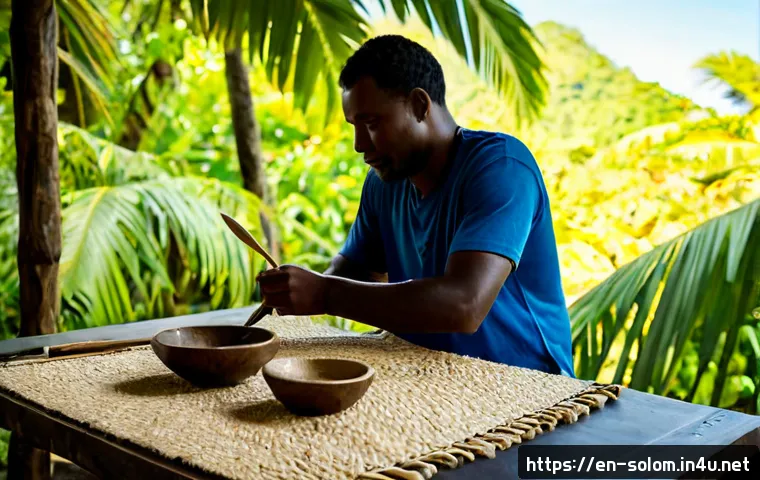
The best way to explore Solomon Islands art and music depends on whether you want an artwork to own, a live performance, a guided cultural visit, or permission to use creative work.
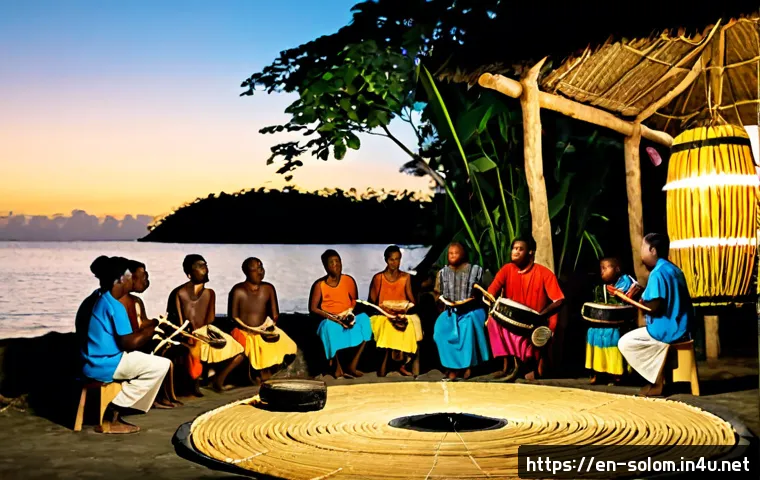
Start by defining that purpose, then ask clear questions about authorship, community connection, logistics, and recording or reproduction rights. The Solomon Islands includes hundreds of islands, so no single “traditional” style represents every community.
Wood carving, weaving, shell-based adornment, canoe-related craftsmanship, panpipe music, singing, dance, and percussion all offer different ways to engage with local culture.
For buyers, collectors, schools, and event organizers, careful selection is more useful than chasing a generic souvenir label. A written quote or agreement can help make the arrangement clearer before money, travel, or media use is involved.
At a Glance
- Choose the format first: an artwork, live music, a cultural visit, or a commission each requires different questions and permissions.
- Verify the maker or group: ask who created the work, what materials are used, and whether community approval is needed.
- Plan beyond the base fee: transport, packaging, accommodation, venue needs, and usage rights may all affect the final arrangement.
| Purchase Type | Best For | Questions to Ask | Likely Cost Factors | Permission Needs |
|---|---|---|---|---|
| Original artwork or craft | Collectors, gifts, display | Who made it? What materials were used? Can it be exported? | Materials, maker fee, packaging, transport | Ask before photographing or reproducing the work |
| Live cultural performance | Events, schools, hospitality venues | Who performs? What is included? What technical setup is needed? | Artist fee, travel, accommodation, venue, equipment | Recording and publication require clear agreement |
| Guided cultural visit | Travelers seeking context | What activities are appropriate? What etiquette applies? | Transport, guide arrangements, timing, permits if relevant | Consent may be needed for visits, photos, or recordings |
| Commission or licensing | Organizations with a defined brief | What is being made or used? Who owns the result? What credit is required? | Materials, delivery, revisions, usage scope | Set reproduction, recording, and licensing terms in writing |
What Makes Solomon Islands Art and Music Distinctive?
Island diversity, community traditions, and why one label does not fit every practice
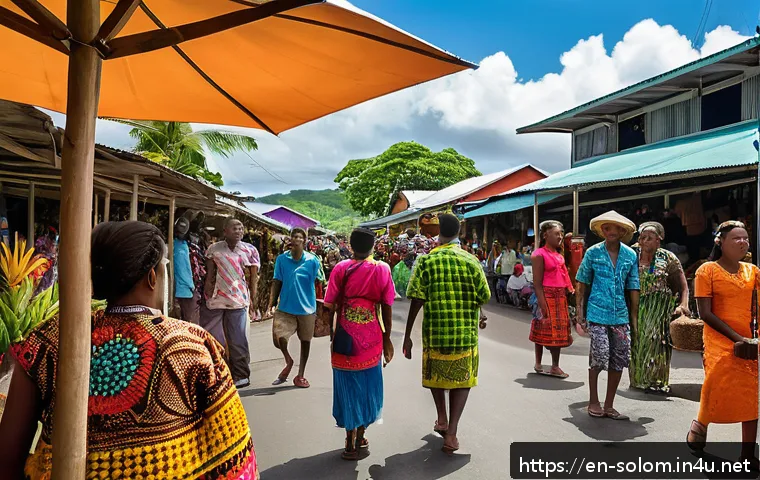
The Solomon Islands is a Pacific island nation made up of hundreds of islands, with substantial cultural diversity between communities. That diversity matters when choosing art, music, or cultural experiences. A carving, song, dance, or shell-based object may have a local context that should not be reduced to a broad “island souvenir” description.
Ask for specific context rather than a generic label. A respectful question might be: “Which community or island is this connected with, and how would you describe it?” The answer can help a buyer, traveler, or event organizer understand whether the item or performance is appropriate for the intended setting.
Visual forms: carving, weaving, shell materials, and canoe-related craftsmanship
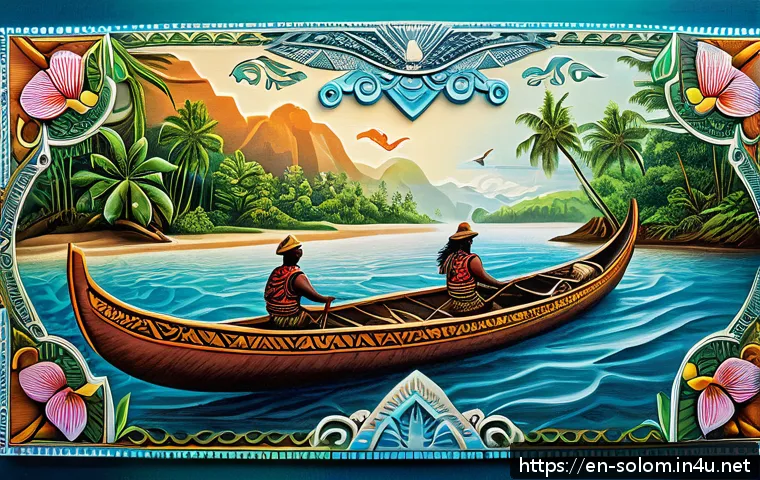
Wood carving, weaving, shell-based adornment, and canoe-related craftsmanship are important forms of material culture in many Solomon Islands communities. These works can appeal to collectors because they may show skilled material handling, functional design, visual detail, or cultural meaning.
However, materials and appearance alone do not prove authorship or ethical sourcing. Before purchasing, ask who made the work, whether it is locally made, whether the seller can describe the materials, and whether there are care or packing requirements. Shell valuables, including shell-money traditions in some areas, can hold cultural significance beyond decoration or souvenir value. Treating every shell object as a casual decorative item can lead to misunderstandings.
Musical forms: panpipes, vocal traditions, dance, and contemporary styles
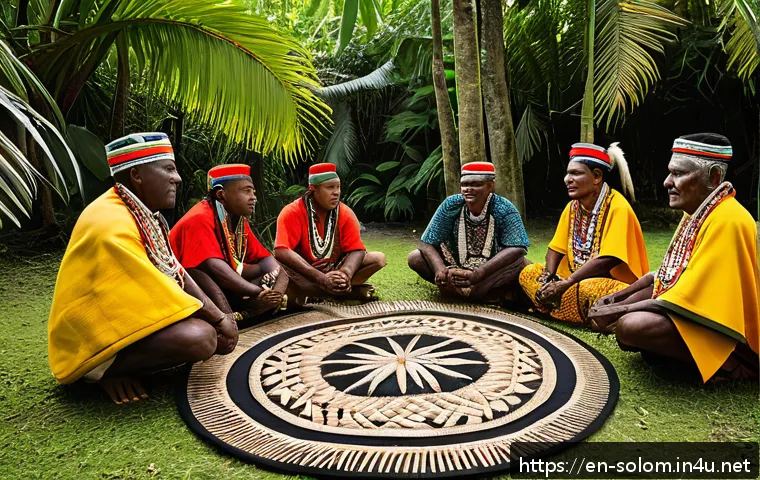
Panpipe music is internationally associated with the Solomon Islands, particularly traditions from Malaita and other islands. Group singing, percussion, dance, and ceremonial performance also remain important forms of community cultural expression.
Contemporary Solomon Islands musicians work across local popular music, gospel, reggae-influenced styles, and traditional forms. When booking musicians, avoid assuming that every ensemble offers the same repertoire or that a cultural performance is automatically suitable for an event. Describe your audience, venue, schedule, and expectations first. This gives performers a fair chance to say what they can offer and what permissions may be required.
Buying Art, Booking Music, or Planning a Cultural Experience: A Quick Comparison
Original artwork or craft purchase: best for collectors and meaningful gifts
An original artwork or craft purchase suits people who want lasting ownership and a direct connection to a maker. It may also be a thoughtful gift when the buyer can share accurate information about the object’s maker, materials, and care needs.
Ask about authorship, materials, origin, handling, packaging, and exportability. If those details are unavailable, do not fill the gaps with assumptions. A simple record of the seller’s description, date of purchase, and any agreed attribution can be useful for future reference.
Live cultural performance: best for events, schools, and hospitality venues
A live performance can be a strong choice when the goal is shared experience rather than ownership. Schools may focus on learning context. Event planners may need a clear run sheet. Hospitality venues may need to consider timing, space, sound, travel, and audience expectations.
Request a performance quote that separates the main artist fee from possible arrangements for transport, accommodation, venue access, equipment, and recording. Do not assume filming is included because a performance is booked. Recording, livestreaming, promotional clips, and later reuse should be discussed separately.
Guided cultural visit: best for travelers seeking context rather than objects alone
A guided cultural visit can offer context that an object alone cannot provide. It may help travelers understand local etiquette, community expectations, and the difference between observing, participating, and documenting.
Before making travel plans, ask what the visit includes, whether photography is appropriate, and whether there are activities that require prior approval. Transport between islands can affect timing and arrangements. A flexible itinerary and respectful communication are more useful than expecting a standardized tourism product.
Commissioning or licensing: best for organizations with a defined brief
A commission is useful when an organization needs a specific artwork, design, performance, or creative contribution. Licensing is different: it concerns permission to use an existing work, recording, image, composition, or performance in a defined way.
A clear brief should explain the purpose, proposed format, deadline, delivery method, budget structure, credit line, and intended use. Ownership is not the same as permission to reproduce. Buying a physical artwork does not automatically settle publication, branding, recording, or commercial reproduction rights.
How to Find and Evaluate Artists, Makers, and Musicians Responsibly
Questions that clarify authorship, materials, community connection, and delivery
Use direct, practical questions. Ask who made the item or who leads the performance group. Ask how the work is described by the maker or community. Ask what materials are involved, whether special care is needed, and how delivery or collection will work.
For a potentially significant object, ask whether there are cultural restrictions, export considerations, or limits on display and reproduction. A seller may not be able to answer every question, but uncertainty should be treated as a reason to verify further, not as permission to assume.
What to request in a performance quote or commission brief
A useful quote or brief identifies the service, date or delivery window, location, number of performers or scope of work, included materials, travel expectations, technical needs, payment terms, and cancellation terms. If the event involves a school, business, or public venue, describe the audience and intended format clearly.
For art commissions, specify dimensions or function only when appropriate, and leave room for the maker to explain what is feasible. For performers, ask whether panpipes, group singing, percussion, dance, contemporary music, or another format is being proposed rather than requesting a vague “traditional show.”
How to discuss recording, photography, reproduction, and credit
Photography and recording should be discussed before the activity begins. Ask whether still photos are allowed, whether audio or video may be captured, where it may be shared, and whether any content may be used for marketing, teaching, or publication.
Get the usage scope in writing. Clarify whether permission covers one event, internal educational use, social media, advertising, or broader publication. Also agree on how the maker, artist, or group should be credited. If the answer is unclear, pause before recording or publishing.
Costs, Logistics, and Common Mistakes to Avoid
Cost factors to compare in Solomon Islands dollars and international payments
The Solomon Islands dollar (SBD) is the national currency. Prices for art, performances, transport, and commissions can vary widely by location and arrangements, so a fixed price range would not be reliable.
Instead, compare the components of each quote: artist or maker fee, materials, transport, accommodation, packaging, venue costs, permits where relevant, and usage rights. If payment involves international arrangements, confirm the preferred payment method, currency, timing, and any practical handling requirements directly with the parties involved.
Transport between islands, packaging, timing, and event technical needs
Logistics can be as important as creative quality. Travel between islands may affect delivery dates, performer availability, packing requirements, and event schedules. A carved object, woven item, or shell-based work may need careful packing; a performance may require adequate space, timing, and sound arrangements.
Build in time for communication and transport rather than making a last-minute request. For cultural performances, confirm arrival expectations, venue access, changing space if needed, and technical responsibilities. Do not assume a group will provide equipment unless that has been agreed.
Avoiding assumptions about cultural access, exportability, and “traditional” labels
Three common mistakes are assuming that all cultural activities are open to visitors, assuming an object can be exported, and using “traditional” as a catch-all marketing term. Each situation may depend on local context, permissions, and the specific item or performance.
Respectful buying is not just about payment. It also means asking before taking images, avoiding pressure for access, and accepting that some information, spaces, objects, or practices may not be available for commercial or visitor use.
Guidance by Situation: Travelers, Collectors, Schools, and Event Organizers
For travelers: prioritize consent, local context, and safe packing
Travelers should prioritize consent over content. Ask before taking photographs, recording music, or entering a setting connected with community cultural expression. If buying an object, ask about safe packing, handling, and whether further export checks are needed.
For collectors: document provenance and ask about care requirements
Collectors should keep a simple record of who sold or made the work, the date, the materials described, and any agreed attribution. Ask how the object should be handled or displayed. This is especially important for works involving wood, woven materials, or shell components.
For educators and organizers: define learning goals, audience, and usage rights
Educators and organizers should explain why they are inviting an artist or group. Define the audience, learning goals, time available, venue conditions, and whether any recording is planned. A well-scoped request supports a more respectful cultural exchange.
For businesses: use clear contracts for deadlines, fees, credit, and cancellation terms
Businesses should use clear written terms for commissions, performances, and licensed creative work. Confirm deadlines, fees, deliverables, credit, cancellation terms, and the exact permission to use images, recordings, or designs. This reduces confusion for both the client and the creative provider.
Selection Criteria and Comparison Summary
Choose an artwork when long-term ownership, maker attribution, and material care matter most. Choose a performance when a shared cultural presentation is the priority and you can confirm logistics and recording terms. Choose a guided visit when interpretation, etiquette, and local context matter more than taking home an object. Choose a commission or license when your project has a defined brief and a clear intended use.
Before payment, travel, recording, or publication, check: who is providing the work; what is included; what extra costs may apply; what permissions are required; how credit will be given; and what happens if timing or transport changes. For tours, travel planning, event services, or art-buying research, review the official details and conditions on the relevant provider page before confirming arrangements.
In Closing
Solomon Islands art and music are best approached with curiosity, patience, and specific questions. The most meaningful choice is not always the most decorative object or the most dramatic performance description. It is the option that fits your purpose while respecting the maker, performers, community context, and agreed permissions. Clear communication helps make a purchase, booking, visit, or commission more rewarding for everyone involved.
Useful Things to Know
1. Panpipe traditions are strongly associated with the Solomon Islands, including Malaita and other islands.
2. Shell items may carry cultural meaning beyond their decorative appearance.
3. The Solomon Islands dollar is the national currency, but quoted costs can vary widely according to location and arrangements.
4. A physical purchase does not automatically include reproduction, recording, or publishing rights.
Important Notes
Current availability, individual contact details, prices, exportability, cultural permissions, and licensing terms require direct verification. Do not assume that a particular artwork is locally made, ethically sourced, unrestricted for export, or available for commercial reproduction. Confirm the details with the maker, group, seller, organizer, or relevant authority before proceeding.
Frequently Asked Questions
Q1. Where can I buy authentic Solomon Islands art or crafts responsibly?
A1. Start by looking for a direct connection to the maker or a seller who can explain who made the item, what materials were used, and where it comes from. Ask whether the work is locally made, whether any cultural restrictions apply, and whether it can be packed or exported appropriately. Avoid treating a generic label as proof of authenticity.
Q2. How much does it cost to book Solomon Islands musicians or a cultural performance?
A2. Costs can vary widely by location and arrangements. Request a quote that separates the artist fee from transport, accommodation, venue requirements, equipment, permits where relevant, and recording or licensing rights. Confirm what is included before making payment.
Q3. Can visitors photograph, record, or reproduce Solomon Islands art and music?
A3. Permission should not be assumed. Ask before taking photographs, recording audio or video, or reproducing an artwork, song, performance, or design. Agree on where the content can be used, how credit will be given, and whether any additional licensing is needed.
Q4. What should collectors ask before commissioning a carving, woven item, or shell-based artwork?
A4. Ask who will make the work, what materials are appropriate, what the delivery process involves, and how the item should be cared for. Discuss the intended purpose, timing, payment structure, packaging, and whether you want any rights beyond owning the physical work. If reproduction or publication is planned, include those terms in a clear written agreement.