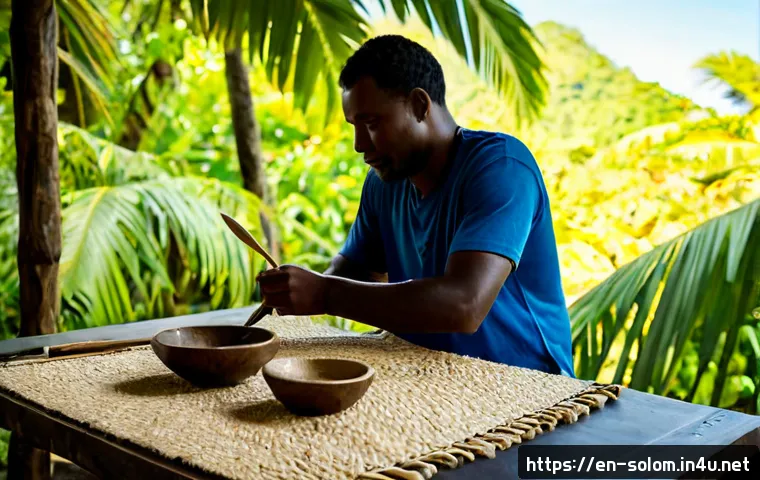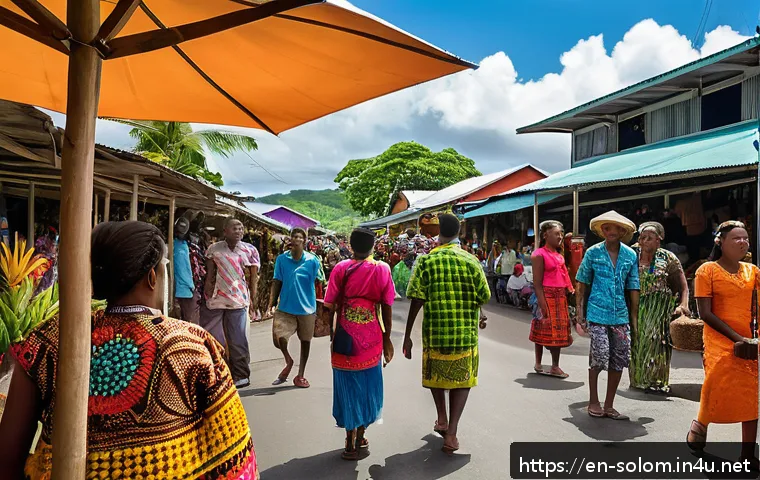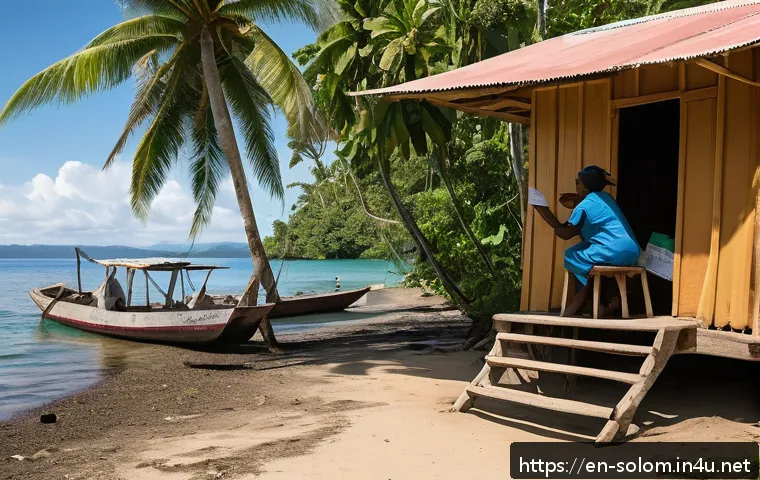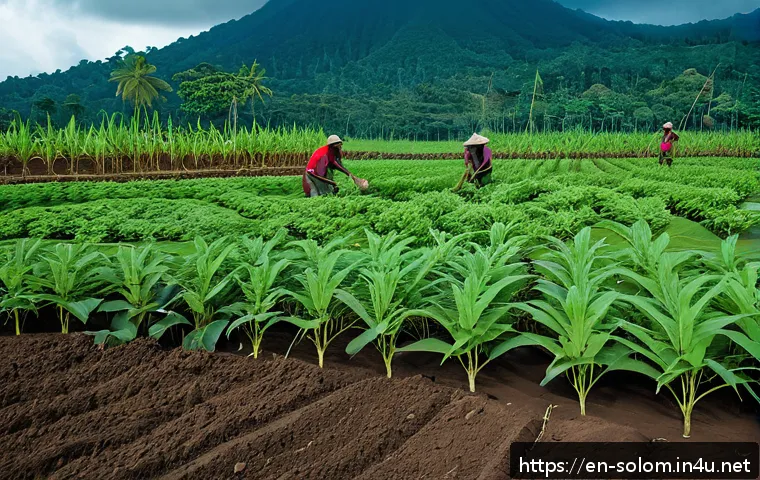
In recent years, the Solomon Islands have seen a growing interest in sustainable agriculture, with cassava farming emerging as a key player in local food security and economic development.
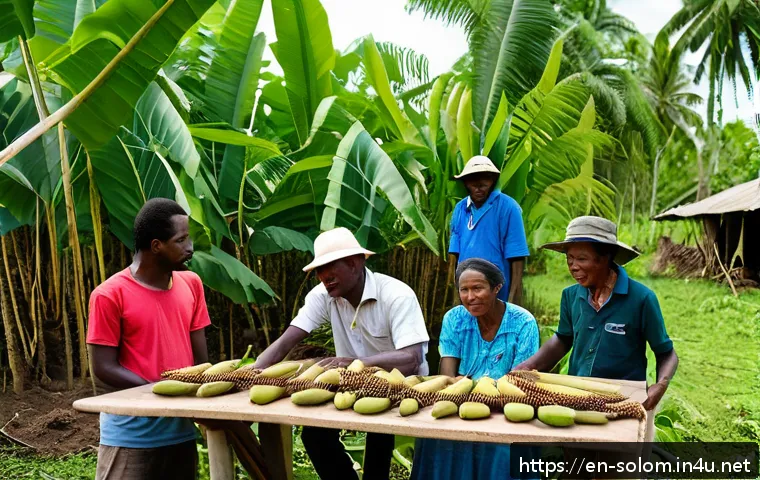
As climate challenges reshape traditional farming, understanding how to cultivate cassava effectively has never been more crucial. This guide dives into practical techniques and community-driven approaches that not only boost yields but also empower local farmers.
Whether you’re an agriculture enthusiast or someone curious about sustainable growth in the Pacific, join me as we uncover the secrets behind successful cassava farming in this unique island nation.
The journey promises insights that blend tradition with innovation for lasting impact.
Optimizing Soil Preparation for Robust Growth
Understanding Soil Types and Their Impact
Cassava thrives best in well-drained, sandy loam soils that retain moisture without waterlogging. In the Solomon Islands, farmers often contend with varying soil conditions—from volcanic ash-rich soils to coastal sandy patches.
Knowing your soil’s texture and pH is crucial because cassava roots can be stunted or develop poorly in overly acidic or compacted soils. From my own experience visiting farms, those who took the time to test their soil and amend it with organic matter saw healthier plants and bigger yields.
Simple soil tests can be done locally, and adding compost or well-rotted manure can improve both fertility and moisture retention, making a huge difference during dry spells.
Techniques for Land Clearing and Tillage
Land preparation in tropical island conditions requires a balance between clearing enough vegetation and preserving the ecosystem. Farmers here often use manual clearing combined with slashing to reduce soil disturbance.
Deep tillage isn’t always necessary; instead, minimal tillage that preserves the soil structure is preferred to avoid erosion. I’ve noticed that farmers who use raised beds or ridges help improve drainage and root development while preventing water stagnation.
These raised systems also make harvesting easier and reduce root damage, which is essential for market-quality cassava.
Incorporating Crop Rotation and Cover Crops
To maintain soil health, many Solomon Islands farmers rotate cassava with legumes or plant cover crops like peanuts or mung beans. These crops fix nitrogen in the soil, naturally replenishing nutrients depleted by cassava’s heavy feeding.
Practicing crop rotation also reduces pest buildup and soil-borne diseases. One farmer I spoke with shared how after introducing rotation cycles, pest problems decreased by nearly 30%, and soil texture improved noticeably.
Cover crops also protect the soil surface from intense rain, reducing erosion—a vital consideration given the islands’ heavy rainfall patterns.
Smart Planting Practices to Maximize Yield
Choosing the Right Planting Material
The quality of cassava stems used for planting directly affects the crop’s success. Healthy, disease-free cuttings from mature plants—typically 20 to 30 cm long—are ideal.
In the Solomon Islands, local farmers prefer stems from high-yielding varieties adapted to their climate. Using certified planting material when available can boost disease resistance.
I once observed a community seed bank initiative where farmers exchanged improved cuttings, which helped standardize plant quality and improved overall production.
Optimal Planting Time and Spacing
Timing your planting to coincide with the start of the rainy season ensures cassava receives enough moisture during its early growth stages. In the Solomon Islands, this usually means planting between November and January.
Spacing also matters; planting cuttings too close can lead to competition for nutrients and increased disease risk, while too wide spacing wastes precious land.
The sweet spot is typically around 1 meter apart within rows and 1 to 1.5 meters between rows. Farmers I’ve worked with reported that adjusting spacing helped them increase tuber size and ease pest management.
Proper Planting Depth and Orientation
Planting cuttings at the right depth—around 5 to 10 cm—is critical. Too shallow, and cuttings dry out; too deep, and sprouting is delayed. Another subtle but impactful tip is orienting the cuttings horizontally, which encourages more roots to develop and leads to stronger plants.
This technique might seem small, but I’ve seen it boost emergence rates significantly, especially in drier patches where moisture retention is a challenge.
Water Management Strategies Tailored for Island Farming
Dealing with Rainfall Variability
The Solomon Islands experience both heavy rains and occasional dry spells, which can stress cassava crops. While cassava is drought-tolerant, young plants are vulnerable without sufficient water.
Farmers often rely on rainwater harvesting techniques, such as simple contour bunds or swales, to capture and retain runoff. These methods help maintain soil moisture longer and reduce erosion.
I noticed that farms implementing these structures had better survival rates during dry seasons compared to those without any water retention measures.
Mulching to Conserve Soil Moisture
Applying organic mulch around cassava plants is a low-cost method to keep soil temperatures stable and moisture locked in. Locally available materials like coconut husks, banana leaves, or grass clippings work well.
Mulching also suppresses weeds, which compete for water and nutrients. In my visits, farmers using mulch reported less frequent need for watering and noted healthier foliage.
It’s a simple practice that can have a big impact on plant vigor, especially in island microclimates where soil can dry quickly.
Irrigation Options and Innovations
While large-scale irrigation is uncommon, some farmers have adopted small-scale drip systems powered by solar pumps or gravity-fed water from nearby springs.
These setups, though modest, allow precise watering during dry spells, reducing water waste. Community groups in some areas have pooled resources to install shared irrigation infrastructure, boosting productivity and resilience.
I believe scaling these innovations could transform cassava farming, making it less vulnerable to climate variability.
Integrated Pest and Disease Management Techniques
Common Pests and Their Impact
Cassava farmers in the Solomon Islands face threats from pests such as cassava mealybugs and green mites, which can severely reduce leaf health and yield.
Early identification is key—mealybugs leave white cottony patches on stems, while mites cause leaf yellowing and curling. Farmers who inspect fields regularly catch infestations before they spread.
I’ve seen that integrating natural predators like ladybugs or using neem-based sprays offers effective, eco-friendly pest control that doesn’t harm beneficial insects.
Preventive Measures and Cultural Controls
Sanitation practices like removing infected plant material and avoiding planting cassava in the same spot year after year help reduce disease pressure.
Using resistant cassava varieties is another cornerstone of pest management. I’ve encountered farmers who proactively prune damaged leaves and maintain good field hygiene, which keeps pest populations manageable without heavy reliance on chemicals.
Such cultural controls are especially important on islands where chemical inputs may be limited or costly.
Community Collaboration for Pest Surveillance
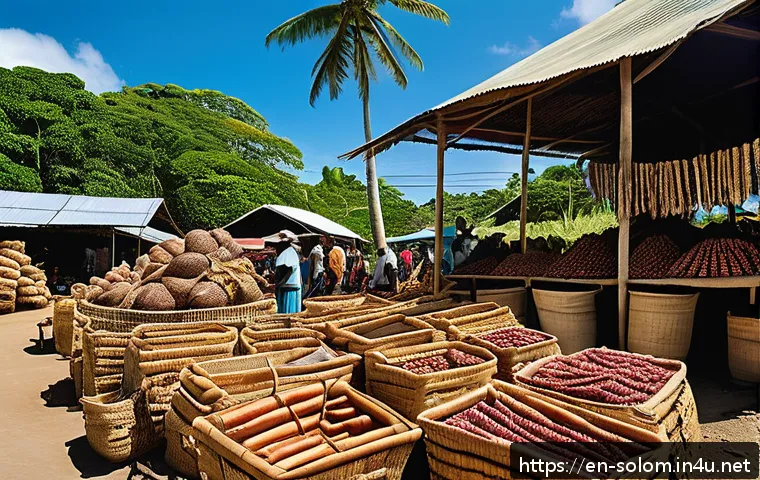
One inspiring approach involves local farmer groups sharing pest and disease observations, coordinating control efforts, and exchanging resistant planting materials.
This collective vigilance enables quicker response to outbreaks and spreads best practices. In my conversations with extension workers, they emphasized how these networks amplify knowledge and reduce crop losses.
Building strong community ties is as much a defense as any pesticide.
Harvesting and Post-Harvest Handling for Maximum Profit
Timing the Harvest for Optimal Quality
Cassava roots are typically ready for harvest between 8 to 12 months after planting, depending on the variety and growing conditions. Harvesting too early can mean smaller roots and lower starch content, while waiting too long risks root deterioration.
Farmers in the Solomon Islands often monitor root size by gently digging around the plant. From my field visits, those who timed their harvest well reported sweeter, more marketable roots that fetched better prices.
Techniques to Minimize Damage
Harvesting cassava carefully is critical since bruised or broken roots deteriorate quickly. Using hand tools like hoes or digging sticks rather than heavy machinery helps preserve root integrity.
I’ve seen farmers adopt a method where they loosen the soil around the root before gently pulling it out to avoid breakage. Handling roots with care during transport—using baskets lined with soft material—also extends shelf life and reduces post-harvest losses.
Storage and Value-Addition Opportunities
Since fresh cassava roots spoil rapidly, farmers often process them into flour, chips, or fermented products to extend usability and add value. Simple drying techniques in solar dryers or well-ventilated sheds help maintain quality.
Some farmers have started small-scale production of cassava flour, which opens up new market possibilities beyond fresh root sales. Investing in these post-harvest steps can significantly increase income and reduce waste.
Leveraging Community Knowledge and Support Systems
Farmers’ Cooperatives and Shared Resources
Pooling resources through cooperatives allows smallholder cassava farmers to access better inputs, tools, and markets. In the Solomon Islands, these groups often organize bulk purchases of fertilizers or improved cuttings, reducing costs.
Cooperatives also facilitate shared labor during planting and harvest, which is invaluable when manpower is limited. I’ve witnessed how such collective efforts empower farmers to negotiate better prices and improve overall livelihoods.
Extension Services and Training Programs
Access to agricultural extension officers who provide technical advice and training is a game-changer. Many Solomon Islands communities benefit from workshops on pest management, soil health, and sustainable farming methods.
Farmers I’ve met expressed that hands-on demonstrations helped them adopt innovations faster and with more confidence. Continuous learning and adapting to new challenges is essential for long-term success.
Incorporating Traditional Practices with Modern Techniques
Local knowledge passed down through generations remains vital. Practices like planting according to lunar cycles or using natural remedies for pests complement scientific methods.
Farmers who blend these approaches often find solutions that are both culturally acceptable and effective. I appreciate how this synergy respects heritage while embracing progress, creating a sustainable path forward.
| Aspect | Traditional Practice | Modern Innovation | Benefit |
|---|---|---|---|
| Soil Preparation | Manual clearing and minimal tillage | Soil testing and organic amendments | Improved fertility and moisture retention |
| Planting | Use of local stem cuttings | Certified disease-free planting material | Higher survival and yield |
| Water Management | Rainwater reliance | Contour bunds and drip irrigation | Better moisture control and drought resilience |
| Pest Control | Manual removal and natural remedies | Biological controls and resistant varieties | Reduced chemical use and pest damage |
| Post-Harvest | Immediate fresh root sale | Processing into flour and chips | Extended shelf life and increased income |
| Community Support | Informal knowledge sharing | Cooperatives and extension services | Enhanced resources and training |
Economic Opportunities and Market Access
Local and Regional Demand for Cassava Products
Cassava is a staple food in the Solomon Islands, but its market potential extends beyond local consumption. Regional markets in nearby Pacific nations and even parts of Asia increasingly seek cassava for food and industrial uses such as starch production.
Farmers who diversify their products—selling fresh roots, processed flour, or value-added snacks—tap into these growing demands. I’ve met entrepreneurs who started small cassava processing units and now supply hotels and exporters, showing how cassava farming can be a pathway to entrepreneurship.
Challenges in Transportation and Infrastructure
One of the hurdles is the limited transport infrastructure across the islands, making it tough to move bulky fresh roots quickly to markets. Poor road conditions and high fuel costs raise prices and reduce competitiveness.
Some farmers combat this by processing cassava near the farm, reducing bulk and spoilage during transport. Addressing these logistical challenges through community or government initiatives could unlock greater income potential for farmers.
Strategies to Increase Farmer Profitability
Beyond increasing yield, farmers benefit from understanding market trends, negotiating prices, and forming cooperatives to strengthen bargaining power.
Training in bookkeeping and business skills helps manage income and plan investments. I recall a workshop where farmers learned to calculate production costs and identify profit margins, empowering them to make informed decisions.
Combining good agricultural practices with savvy marketing can turn cassava farming into a sustainable livelihood.
Conclusion
Optimizing cassava cultivation involves a combination of understanding local soil conditions, adopting smart planting and water management techniques, and integrating pest control with community collaboration. Practical experience and adapting innovations to traditional practices can lead to healthier crops and better yields. By focusing on these key areas, farmers can improve productivity and open new economic opportunities. Sustainable cassava farming not only supports livelihoods but also strengthens food security in island communities.
Useful Information to Remember
1. Testing soil and adding organic matter can dramatically improve cassava growth and resilience during dry periods.
2. Planting timing and spacing are critical; aligning with the rainy season and maintaining about 1 meter spacing optimizes root development.
3. Mulching with local organic materials helps conserve moisture and suppress weeds, reducing irrigation needs.
4. Community-based pest monitoring and use of natural predators effectively manage pests while limiting chemical use.
5. Processing cassava into flour or chips extends shelf life and increases market value, especially where transport is challenging.
Key Takeaways
Successful cassava farming requires a holistic approach combining soil health, appropriate planting methods, and adaptive water management tailored to island environments. Emphasizing cultural and biological pest controls reduces reliance on chemicals, promoting sustainability. Collaborative community efforts in resource sharing, knowledge exchange, and market access enhance farmer resilience and profitability. Investing in post-harvest processing and business skills further unlocks cassava’s economic potential. Ultimately, blending traditional wisdom with modern techniques creates a viable and sustainable farming system.
Frequently Asked Questions (FAQ) 📖
Q: What makes cassava a suitable crop for sustainable agriculture in the Solomon Islands?
A: Cassava is incredibly resilient to the Solomon Islands’ varying climate conditions, especially drought and poor soil quality, which makes it a reliable food source for local communities.
From my visits and discussions with farmers, I’ve seen how cassava’s low input requirements—meaning less need for fertilizers and pesticides—fit perfectly with sustainable farming goals.
It not only helps secure food but also reduces environmental impact, supporting both economic stability and ecological balance.
Q: How can small-scale farmers in the Solomon Islands improve cassava yields effectively?
A: Based on firsthand accounts from local farmers, one of the best ways to boost cassava yields is through proper land preparation and selecting disease-resistant varieties.
Intercropping cassava with legumes has also proven beneficial, as it naturally enriches the soil and reduces pests. Additionally, community-based knowledge sharing and training programs have been game changers, enabling farmers to adopt improved planting techniques and manage pests sustainably.
These combined efforts really showcase how traditional wisdom and modern practices can work hand-in-hand.
Q: What challenges do Solomon Islands farmers face with cassava farming, and how are they overcoming them?
A: Farmers often struggle with pests like mealybugs and diseases that can devastate cassava crops. Climate change also brings unpredictable rainfall patterns, complicating planting schedules.
From what I’ve observed, local communities are tackling these issues through cooperative pest monitoring, using natural pest control methods, and experimenting with drought-tolerant cassava varieties.
Plus, government and NGO support in providing training and access to better planting materials has been crucial in helping farmers adapt and thrive despite these hurdles.