In recent months, renewed tensions in the Solomon Islands have caught global attention, highlighting the deep-rooted tribal conflicts that continue to shape the nation’s social fabric.
Understanding these disputes is essential not only for grasping the current unrest but also for appreciating the complex history and cultural dynamics involved.
If you’ve ever wondered what fuels these long-standing rivalries and how they impact daily life, this exploration will shed light on the critical factors behind the turmoil.
Let’s dive into the heart of the Solomon Islands’ tribal conflicts and uncover what everyone should know about this ongoing challenge.
Historical Roots of Division
Colonial Legacies and Their Impact
The Solomon Islands’ tribal conflicts cannot be understood without acknowledging the colonial history that laid a complicated foundation. European powers, particularly Britain, established control over the islands in the late 19th and early 20th centuries, imposing arbitrary boundaries and favoring certain tribes over others for administrative convenience.
This favoritism sowed early seeds of resentment, as some groups gained more access to resources, education, and political power, while others were marginalized.
Even decades after independence, these imbalances persist, often resurfacing in tensions over land and leadership roles. From my conversations with locals, it’s clear that many still feel the effects of those colonial decisions, which disrupted traditional governance structures and communal harmony.
Traditional Leadership Versus Modern Governance
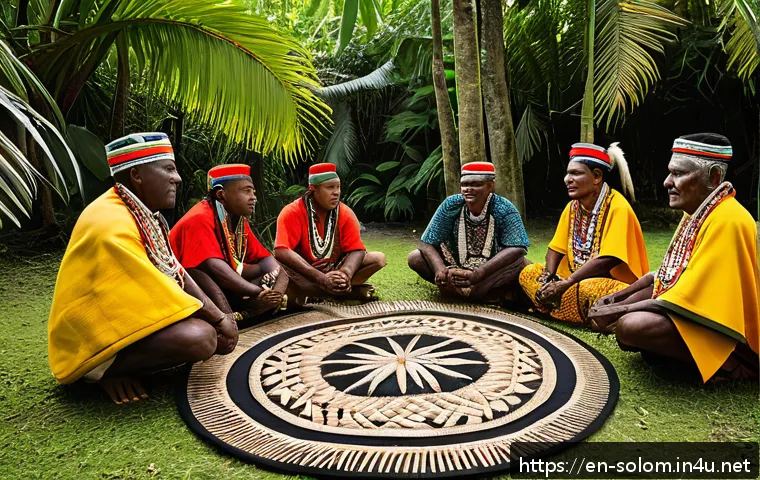
Before colonial rule, many Solomon Islanders lived under complex systems of tribal leadership, where elders and chiefs played central roles in decision-making.
These systems emphasized consensus and kinship ties, keeping disputes manageable within the community. However, post-independence political structures introduced formal government institutions that sometimes clash with traditional authority.
This overlap often creates confusion about who truly holds power, especially in rural areas where tribal loyalty remains strong. I’ve noticed that when disputes arise, both sides may appeal to different authorities, deepening misunderstandings and prolonging conflicts.
The struggle to balance respect for cultural traditions with modern state governance is a delicate, ongoing challenge.
Geographical Isolation and Cultural Diversity
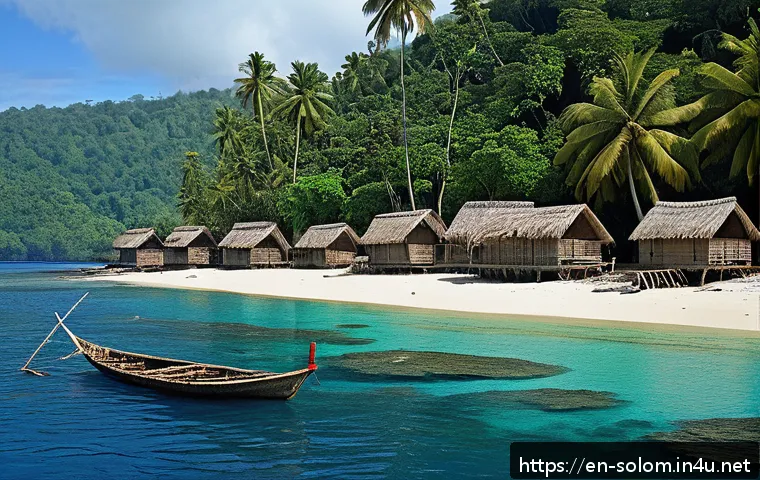
The Solomon Islands are made up of nearly 1,000 islands, many of which are isolated by vast stretches of ocean. This geographical fragmentation has resulted in extraordinary cultural and linguistic diversity, with over 70 languages spoken across the archipelago.
While this richness is a source of pride, it also complicates efforts to foster unity. Tribal groups tend to be insular, fiercely protective of their territories, and wary of outsiders.
Traveling between islands can be difficult, limiting opportunities for interaction and understanding among tribes. From what I’ve learned during field visits, this isolation perpetuates stereotypes and mistrust, making reconciliation harder to achieve.
Land Ownership and Resource Disputes
Customary Land Rights as a Flashpoint
Land in the Solomon Islands is more than just property; it’s intimately tied to identity, ancestry, and survival. Customary land ownership, which governs most of the territory, is based on communal rights passed down through generations.
However, conflicting claims and unclear boundaries often ignite disputes, especially when valuable resources like timber or minerals are involved. I’ve spoken to community leaders who describe how even minor encroachments can escalate quickly, as land is seen as sacred and non-negotiable.
The lack of a unified land registration system only adds fuel to the fire, making it difficult to resolve disagreements through legal means.
Economic Pressures and External Interests
The economic landscape intensifies tribal tensions. Logging, mining, and fishing attract foreign companies that negotiate deals with government officials but frequently overlook local communities’ concerns.
These activities can disrupt traditional livelihoods and damage the environment, leading to resentment and protests. I recall a case where a logging operation triggered violent clashes because affected tribes felt excluded from decision-making and compensation.
The uneven distribution of economic benefits deepens inequalities, often pitting tribes against one another as they compete for limited opportunities.
This dynamic is a critical factor driving unrest in many parts of the islands.
Government Efforts and Challenges in Mediation
The Solomon Islands government has attempted to mediate land and resource disputes through various programs and commissions. However, limited resources, bureaucratic inefficiencies, and political interference often hinder progress.
Many locals express frustration that government interventions sometimes favor powerful groups, undermining trust in official channels. In my experience, successful conflict resolution requires inclusive dialogue that respects customary laws and involves all stakeholders, but such processes take time and patience.
Building effective institutions that bridge modern governance with traditional systems remains an ongoing struggle.
Social Consequences of Tribal Conflicts
Community Fragmentation and Daily Life
Living amidst tribal tensions profoundly affects social cohesion in the Solomon Islands. Families and neighbors can find themselves divided along tribal lines, disrupting social networks that are essential for mutual support.
This fragmentation often results in reduced cooperation in community projects, schools, and markets. I have encountered villagers who avoid certain areas or events out of fear, which limits their access to services and opportunities.
The emotional toll is significant, as people live with a constant undercurrent of suspicion and anxiety, impacting their quality of life and sense of security.
Impact on Education and Youth
The younger generation faces unique challenges in conflict-affected areas. Schools may close temporarily during flare-ups, or children may be pulled out by parents concerned about their safety.
This interruption hampers educational attainment and future prospects. Furthermore, tribal allegiances can influence socialization, with some youth being drawn into disputes or gang-like groups as a way to assert identity or seek protection.
From what I’ve observed, empowering youth through inclusive education and community programs is crucial to breaking cycles of violence and fostering peace.
Health and Psychological Effects
Prolonged conflict takes a toll on both physical and mental health. Access to healthcare can be limited in remote tribal areas, especially when travel is unsafe due to violence.
Stress and trauma from ongoing disputes contribute to increased rates of anxiety, depression, and other psychological conditions. I’ve met healthcare workers who highlight the difficulty of addressing these issues without culturally sensitive mental health services.
The stigma around mental illness often prevents individuals from seeking help, exacerbating the problem and undermining community well-being.
Role of Religion and Mediation Efforts
Churches as Peacebuilders
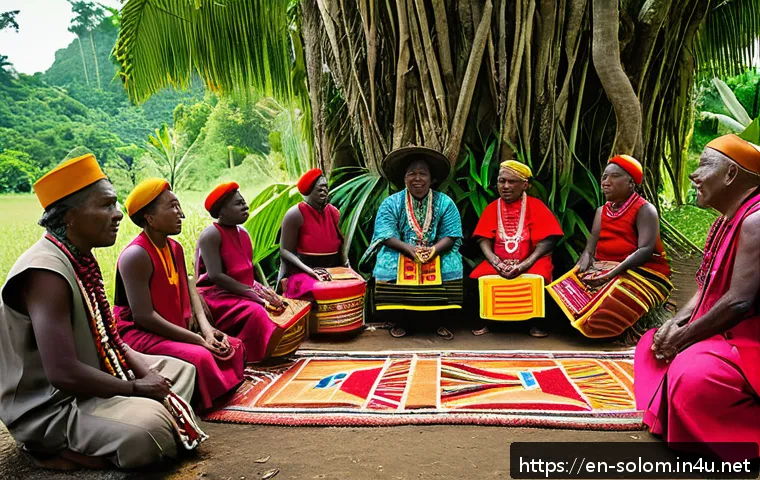
Religious institutions play a vital role in promoting peace and reconciliation in the Solomon Islands. Many churches are deeply embedded in local communities and serve as trusted mediators in tribal conflicts.
They often organize dialogue sessions, encourage forgiveness, and provide support for victims of violence. From my experience attending such gatherings, faith-based approaches resonate with many because they align with cultural values of harmony and respect.
Churches also help bridge divides by bringing together members of different tribes in shared worship, fostering a sense of unity.
Traditional Mediation Practices
Apart from formal religious efforts, traditional mediation led by elders remains a cornerstone of conflict resolution. These processes rely on rituals, storytelling, and negotiated settlements that honor customs and relationships.
I’ve witnessed how successful mediators emphasize restoring balance rather than punishing offenders, which helps repair social bonds. However, the effectiveness of these practices can vary depending on the willingness of parties to engage sincerely.
Combining traditional methods with modern legal frameworks offers a promising path toward sustainable peace.
International Support and Limitations
International organizations and neighboring countries have provided assistance in peacebuilding and development projects aimed at mitigating tribal conflicts.
These include funding for community dialogues, capacity building, and economic alternatives. While these efforts have yielded some positive results, they often face challenges such as cultural misunderstandings, short-term funding, and political complexities.
My conversations with aid workers reveal that lasting change requires deep local involvement and respect for indigenous knowledge. External actors must tread carefully to avoid imposing solutions that don’t fit the unique context.
Future Prospects for Stability
Building Inclusive Political Institutions
One of the keys to reducing tribal conflicts lies in creating political institutions that genuinely represent all groups. This involves reforming electoral systems, decentralizing power, and ensuring transparency.
I’ve noticed that when people feel their voices are heard and their interests protected, grievances diminish. Encouraging youth and women’s participation in governance also broadens perspectives and fosters inclusivity.
Although progress is slow, there are promising signs that more equitable political arrangements can help heal divisions.
Economic Empowerment and Sustainable Development
Providing economic opportunities that benefit all tribes is essential to defusing tensions. Initiatives that promote sustainable agriculture, eco-tourism, and small business development help reduce dependency on contentious resource extraction.
In my visits, I saw communities embracing projects that generate income while preserving the environment and cultural heritage. Supporting local entrepreneurship and fair resource sharing can create incentives for cooperation rather than conflict.
Education and Cultural Exchange
Long-term peacebuilding also depends on education that fosters mutual understanding and respect. Programs that teach the history and cultures of different tribes encourage empathy and break down stereotypes.
I have witnessed inter-tribal youth camps and cultural festivals that celebrate diversity and build friendships across divides. Expanding such initiatives can nurture a generation that values unity over rivalry and is better equipped to handle differences constructively.
Overview of Key Factors in Solomon Islands Tribal Conflicts
| Factor | Description | Impact on Conflict |
|---|---|---|
| Colonial History | Imposed boundaries and favoritism disrupting traditional structures | Long-lasting resentment and power imbalances |
| Customary Land Ownership | Communal land rights with unclear boundaries | Frequent disputes over land use and ownership |
| Geographical Isolation | Fragmented islands with diverse languages and cultures | Limited interaction, fostering mistrust |
| Economic Exploitation | Foreign resource extraction impacting local communities | Unequal benefits leading to rivalry and protests |
| Traditional vs Modern Governance | Overlapping authorities causing confusion | Competing claims to power and legitimacy |
| Religious and Cultural Mediation | Churches and elders facilitating peace talks | Building trust and reconciliation |
| Social Fragmentation | Divisions affecting community cooperation | Reduced social cohesion and increased fear |
| Youth Involvement | Educational disruption and identity struggles | Potential for violence or peacebuilding |
In Conclusion
Understanding the tribal conflicts in the Solomon Islands requires a deep look into historical, cultural, and economic factors that continue to shape community relations today. The interplay between traditional customs and modern governance, along with resource disputes, remains central to ongoing tensions. However, through inclusive dialogue, education, and sustainable development, there is hope for lasting peace and unity among the islands’ diverse peoples.
Useful Information to Remember
1. Colonial history deeply influenced current tribal divisions by imposing artificial boundaries and favoring certain groups, which still affects power dynamics.
2. Customary land ownership is closely tied to identity and often leads to disputes due to unclear boundaries and competing claims.
3. The geographic isolation of islands contributes to cultural diversity but also limits interaction, fostering misunderstandings and mistrust.
4. Economic activities like logging and mining often benefit outside interests more than local communities, fueling resentment and conflict.
5. Traditional leadership and religious institutions play a crucial role in mediating conflicts and promoting reconciliation within communities.
Key Takeaways
Tribal conflicts in the Solomon Islands stem from a complex mix of historical grievances, land and resource disputes, and governance challenges. These tensions disrupt social cohesion and impact education, health, and economic opportunities. Effective conflict resolution requires respecting customary laws, empowering marginalized voices, and fostering inclusive political and economic systems. Peacebuilding efforts must balance modern approaches with traditional practices while ensuring local ownership to create sustainable harmony across the islands.
Frequently Asked Questions (FAQ) 📖
Q: What are the main causes of the tribal conflicts in the Solomon Islands?
A: The tribal conflicts in the Solomon Islands primarily stem from historical rivalries, competition over land and resources, and cultural differences among various ethnic groups.
These disputes have been fueled by colonial-era boundaries that didn’t reflect traditional territories, leading to ongoing tensions. Additionally, economic hardships and political instability have exacerbated these conflicts, making resolution more complex.
Q: How do these tribal conflicts affect everyday life in the Solomon Islands?
A: The impact on daily life is significant—many communities face disruptions to their livelihoods, including farming and fishing, due to violence or intimidation.
Access to education and healthcare can also be hindered when tensions flare. Moreover, the constant threat of conflict creates a climate of fear and mistrust, affecting social cohesion and slowing economic development.
Q: What efforts are being made to resolve these tribal tensions?
A: Various peacebuilding initiatives have been implemented, including dialogue forums between tribal leaders, government-led reconciliation programs, and support from international organizations.
While progress is uneven, these efforts focus on promoting mutual understanding, equitable resource sharing, and strengthening local governance. From what I’ve observed, involving community members directly in these processes is crucial for sustainable peace.