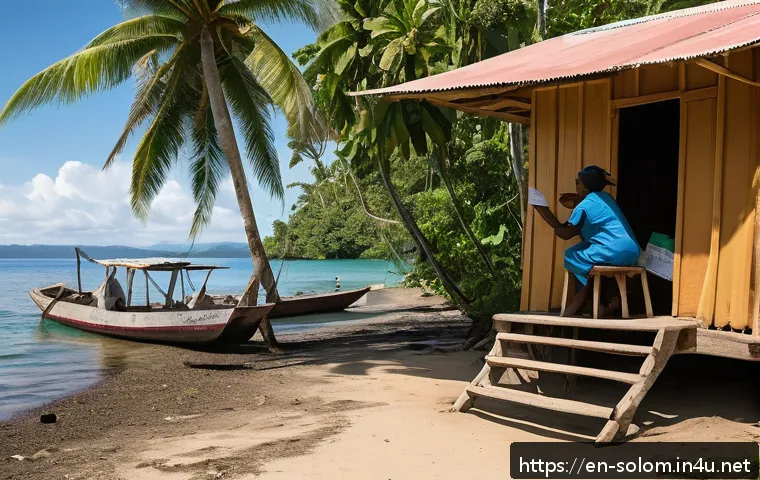
Traveling to the Solomon Islands offers a unique adventure filled with stunning natural beauty and rich cultural experiences. Whether you’re planning a short visit or an extended stay, understanding the visa requirements and entry procedures is essential to ensure a smooth arrival.
The process can vary depending on your nationality and the purpose of your trip, so it’s important to be well-prepared. From visa application steps to customs regulations, being informed will save you time and avoid unexpected hassles.
If you’re curious about what to expect and how to navigate the process effortlessly, we’ve got you covered. Let’s dive into the details and make your journey to the Solomon Islands hassle-free!
Understanding Entry Eligibility and Visa Types
Who Needs a Visa to Enter the Solomon Islands?
Many travelers assume they can just show up with a passport and get in, but that’s not always the case here. Depending on your nationality, you might be able to enter visa-free for a limited period, or you might need to apply in advance.
For example, citizens from countries like Australia, New Zealand, and the United Kingdom often enjoy visa-free access for short stays, usually up to 90 days.
However, visitors from other nations may be required to obtain a visa prior to arrival. It’s always a good idea to double-check the current regulations specific to your passport before booking flights.
This helps avoid last-minute surprises or delays at the airport, which nobody wants when starting a vacation.
Types of Visas Available for Visitors
The Solomon Islands offer several types of visas depending on the purpose of your visit. The most common is the tourist visa, which typically allows stays up to 90 days.
If you’re heading there for business, a business visa is necessary, often requiring additional documentation like an invitation letter from a local company.
There are also work permits and residence visas if you plan to stay longer or seek employment, but these require a more complex application process. Knowing which visa type fits your travel purpose can save you from applying for the wrong one and facing rejection or delays.
Visa Exemptions and Special Cases
Certain groups are exempt from visa requirements altogether. For example, diplomats and officials traveling on official government business usually have separate arrangements.
In some cases, transit passengers who won’t leave the airport might not need a visa. Additionally, children under a certain age traveling with their parents might have different rules, so it’s wise to check those details if you’re traveling as a family.
These exceptions can be a bit tricky, so consulting the official immigration website or contacting the nearest Solomon Islands embassy is often the best way to get reliable answers.
Step-by-Step Guide to Applying for a Visa
Gathering the Required Documents
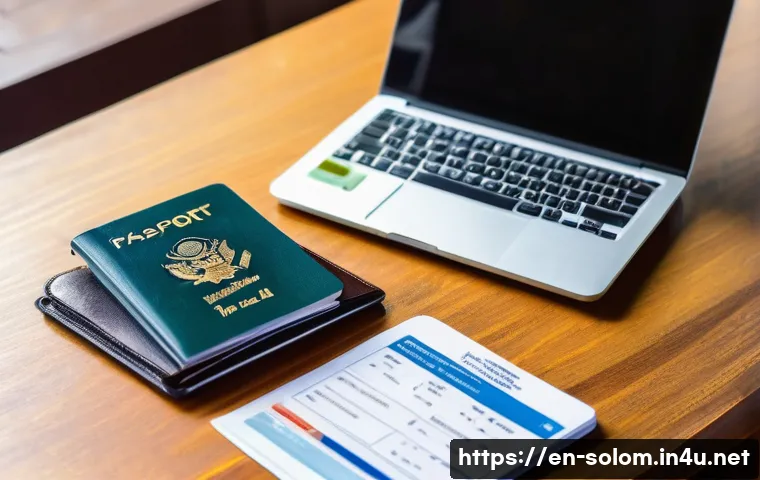
From my experience, one of the biggest hurdles is simply knowing what paperwork to prepare. Generally, the application requires a valid passport with at least six months of remaining validity, a completed visa application form, passport-sized photographs, proof of onward travel like return tickets, and sometimes evidence of accommodation bookings.
Additionally, you might need to show proof of sufficient funds for your stay. I always recommend scanning and organizing these documents digitally before submission; it makes the process smoother and helps avoid missing anything important.
Submitting Your Application
Applications can usually be submitted online or at a local embassy or consulate. If you’re applying online, be prepared for some patience during processing, which can take anywhere from a few days to a couple of weeks depending on the volume of requests.
I’ve found that applying at an embassy in person sometimes speeds things up, but that’s not always feasible. Remember to double-check the application fees and acceptable payment methods beforehand.
It’s frustrating to have your application delayed just because of a payment hiccup.
Tracking and Receiving Your Visa
After submission, most official websites provide a tracking option so you can monitor your application status. It’s reassuring to know exactly where your paperwork stands rather than guessing.
Once approved, the visa might be issued electronically or as a sticker in your passport. Electronic visas are convenient, as you can print them out or show them on your phone at the border, but be sure to have a backup copy just in case.
I once encountered a situation where the internet was spotty at the airport, and having a printed visa saved me from a stressful delay.
Customs and Immigration Procedures Upon Arrival
What to Expect at the Border
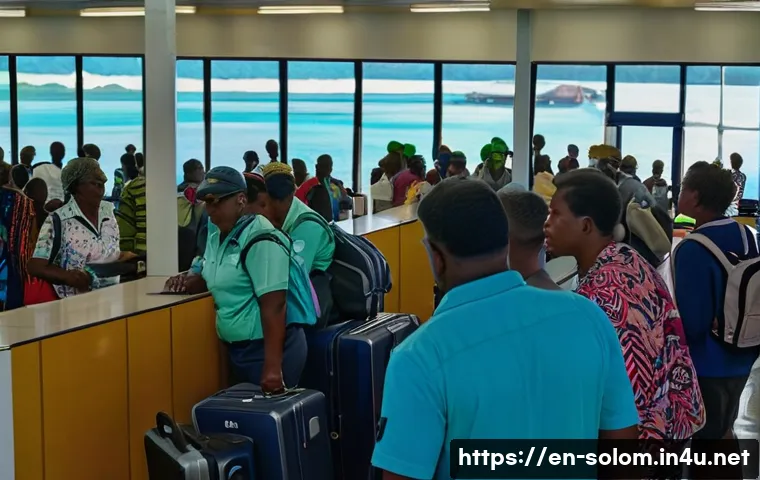
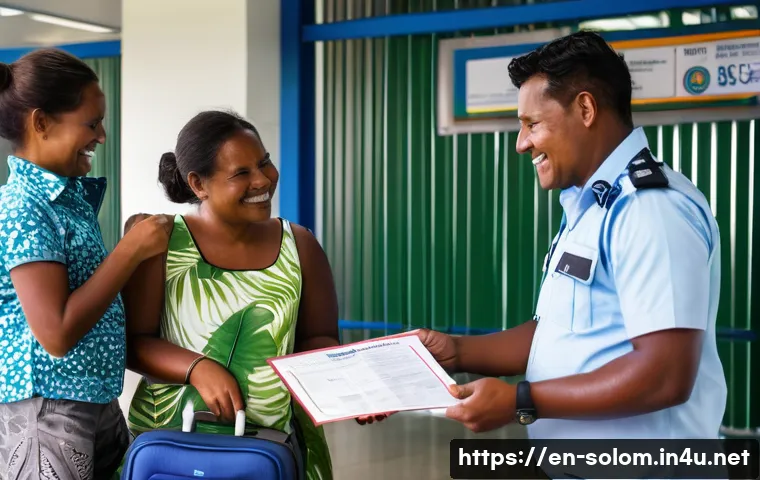
Upon landing in the Solomon Islands, you’ll go through immigration where officers will verify your documents and ask about your trip’s purpose. I’ve noticed that being polite and clear about your plans helps the process go smoothly.
They might inquire about your accommodation or return flight, so having that information handy is beneficial. Customs officers will also inspect your luggage, primarily looking for restricted items or anything that could pose biosecurity risks.
The line can be busy during peak travel seasons, so patience and preparedness are key.
Declaring Goods and Currency Regulations
Visitors need to declare certain goods such as large amounts of cash, commercial quantities of goods, or restricted items like firearms and some plants or animals.
The Solomon Islands enforce strict biosecurity laws to protect their unique environment, so it’s essential to check what you can and cannot bring beforehand.
Currency regulations limit the amount of local money you can export, and carrying large sums of foreign currency may require declaration. I once had a friend who forgot to declare a bottle of local liquor and faced a fine, so it’s definitely worth paying attention to these rules.
Health and Safety Checks
Depending on where you’re traveling from, you might be asked to show proof of certain vaccinations, especially if there are ongoing health concerns like outbreaks.
Currently, many countries require COVID-19 vaccination or negative test results for entry, and the Solomon Islands follow suit with some restrictions.
Health officers may also conduct temperature checks or other screenings. Having your vaccination certificates and health documents ready in an easily accessible folder or app saves time and reduces stress at the airport.
Visa Fees and Processing Times Explained
Cost Breakdown for Different Visa Types
Visa fees can vary quite a bit depending on the type of visa and your nationality. Tourist visas usually have a moderate fee, which in my experience ranges from $50 to $100 USD.
Business visas often cost more due to additional processing requirements. Some special permits or work visas can be significantly higher, reflecting the complexity of the application.
It’s important to budget for these fees ahead of time and confirm if they are refundable in case your visa is denied.
Typical Timelines for Approval
Processing times for visas can fluctuate based on season and demand. Generally, tourist visas take anywhere from 3 to 14 business days. Business and work visas may require several weeks because of the additional paperwork involved.
I’ve learned that applying well in advance, ideally at least a month before your planned trip, is a smart move. Rushing last-minute applications can lead to stress and sometimes even missed flights.
Table of Visa Types, Fees, and Processing Times
| Visa Type | Typical Fee (USD) | Processing Time | Common Requirements |
|---|---|---|---|
| Tourist Visa | 50 – 100 | 3-14 days | Passport, application form, photo, travel itinerary |
| Business Visa | 100 – 150 | 7-21 days | Invitation letter, company documents, travel itinerary |
| Work Permit | 150 – 300 | 3-6 weeks | Employment contract, employer sponsorship, health checks |
| Transit Visa | Usually free or minimal | Same day | Valid onward ticket, passport |
Common Challenges and How to Avoid Them
Dealing with Application Delays
It’s frustrating when your visa application takes longer than expected, especially when flights are already booked. In my experience, the best way to avoid this is to apply as early as possible and ensure every document is perfectly prepared.
Missing a signature or submitting an outdated form can cause major hold-ups. If you notice delays, contacting the embassy or consulate politely and requesting a status update can sometimes help speed things along.
Handling Entry Denials or Visa Refusals
Being denied entry or having your visa refused can be a nightmare scenario. Usually, this happens due to incomplete documentation, suspicion about the purpose of your visit, or prior visa overstays.
To minimize risk, always be honest and thorough in your application and at immigration interviews. If you’ve had issues before, providing evidence of ties to your home country like a job or property can reassure officers you intend to return.
If a refusal happens, ask for a clear explanation so you can address it for future attempts.
Tips for a Smooth Arrival Experience
Arriving at the Solomon Islands after a long journey can be tiring, so having a smooth immigration process is a relief. I recommend keeping all your documents organized in a travel wallet or folder and ready to present.
Dress neatly and maintain a friendly, respectful attitude with officials. Also, avoid carrying prohibited items or excessive amounts of cash. By showing that you respect local rules and procedures, you’re likely to have a hassle-free and welcoming start to your adventure.
In Conclusion
Understanding visa requirements and entry procedures is essential for a hassle-free trip to the Solomon Islands. By preparing the right documents and applying ahead of time, you can avoid common pitfalls. Staying informed about customs, health checks, and local regulations will make your arrival smooth and welcoming. With these insights, your adventure can begin on the right foot.
Useful Tips to Keep in Mind
1. Always check your country’s specific visa requirements before booking your trip to avoid unexpected issues at the border.
2. Organize and scan all necessary documents in advance to streamline your visa application process.
3. Apply for your visa well ahead of your travel dates to allow for processing delays, especially during peak seasons.
4. Keep digital and printed copies of your visa and travel documents handy during your journey.
5. Respect local customs and regulations on arrival to ensure a smooth and friendly immigration experience.
Key Takeaways
Securing the correct visa type and understanding the entry rules are critical steps for visiting the Solomon Islands. Early preparation and thorough documentation reduce the risk of delays or refusals. Being courteous and clear with immigration officers helps facilitate the process. Finally, knowing customs restrictions and health requirements protects both you and the unique environment of the islands. Following these guidelines ensures a stress-free start to your trip.
Frequently Asked Questions (FAQ) 📖
Q: Do I need a visa to enter the Solomon Islands, and how do I apply for one?
A: Whether you need a visa depends largely on your nationality. Many travelers from countries like Australia, New Zealand, and the UK can obtain a visa on arrival for short stays, typically up to 90 days.
However, others must apply in advance through the nearest Solomon Islands embassy or consulate. From my own experience, applying online beforehand when possible saves a lot of stress at the airport.
Make sure you have a valid passport, completed application forms, and any required documents like proof of accommodation or return tickets. Checking the official government website before you travel is a smart move to get the latest updates.
Q: What should I expect during customs and immigration when arriving in the Solomon Islands?
A: Upon arrival, you’ll go through immigration where officers will check your visa status and passport. Be prepared to answer basic questions about your trip purpose and length of stay.
I found the process to be straightforward but slower during peak travel times. After immigration, customs officers may ask about any goods you’re bringing in, especially food, plants, or large amounts of currency.
It’s best to declare anything you’re unsure about to avoid fines. Packing light and having your documents handy helped me breeze through without any hiccups.
Q: Are there any special health or vaccination requirements for visitors to the Solomon Islands?
A: Yes, there are some health considerations to keep in mind. The Solomon Islands is a tropical country, so vaccinations for diseases like Hepatitis A, Typhoid, and Yellow Fever (if coming from an infected area) are often recommended.
Malaria is present, so taking prophylaxis and using mosquito repellent is wise. When I traveled there, I also made sure my routine vaccines were up to date.
Some airlines or immigration officers may ask for proof of vaccination, so carrying your immunization records is a good idea. Always check for the latest health advisories before your trip to stay safe and healthy.