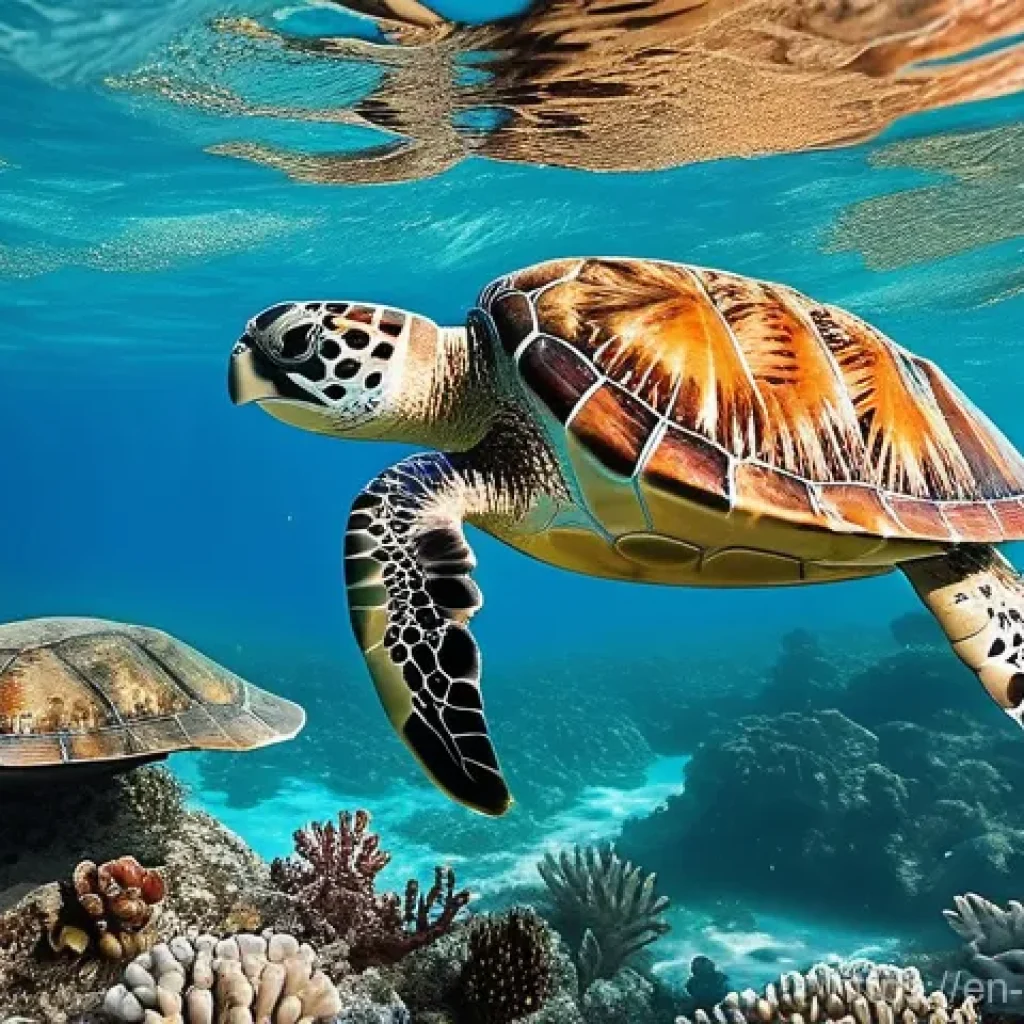
Have you ever pictured a sea turtle gracefully gliding through crystal-clear waters, a creature of ancient wisdom and serene beauty? It’s truly a breathtaking thought, isn’t it?
For me, the magic of these incredible animals is something I’ve always cherished, and it recently led me on a deep dive into some of the world’s most vital marine havens.
What I uncovered about the Solomon Islands, nestled in the heart of the South Pacific, completely captivated me. This archipelago isn’t just a tropical paradise; it’s a critically important sanctuary, especially for the magnificent Hawksbill turtles, where their future hangs in a delicate balance.
It’s easy to feel overwhelmed when we hear about global challenges like climate change impacting fragile nesting beaches or the persistent threat of illegal harvesting that these gentle giants face.
But what really struck me is the incredible resilience and hope found in places like the Arnavon Community Marine Park. I’ve learned firsthand how local communities, especially incredible women’s groups, are stepping up with unwavering dedication, transforming the narrative from one of decline to one of remarkable recovery through innovative conservation programs and burgeoning ecotourism.
Their efforts are not just protecting turtles; they’re building a sustainable future for everyone involved. Honestly, it’s an inspiring testament to what passionate people can achieve when they work together, embracing both age-old wisdom and modern science to safeguard these precious creatures.
The Solomon Islands stand as a shining example of how community leadership can drive real, positive change for our marine ecosystems. Let’s explore this fascinating topic and uncover all the incredible details together!
It’s truly something else, isn’t it, how the Solomon Islands manage to be both a breathtaking haven of marine biodiversity and a place where the delicate balance of life is constantly challenged?
My recent deep dive into this corner of the South Pacific has left me feeling a mix of awe and a fierce determination to share the incredible stories of resilience I’ve found.
It’s not just about the stunning corals or the vibrant fish, but about the heart and soul of communities dedicated to protecting one of the ocean’s most iconic residents: the Hawksbill turtle.
Unveiling the Solomon Islands’ Underwater Treasures
A Kaleidoscope of Biodiversity
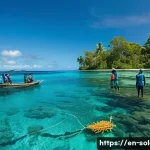
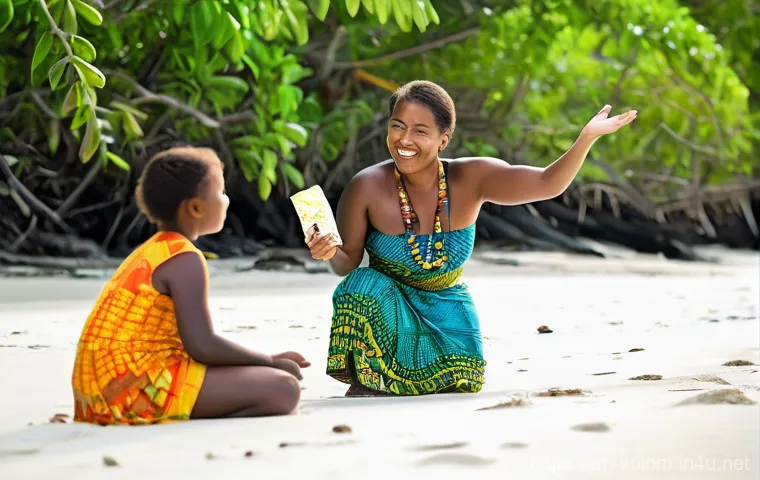
Oh, if you could only see it for yourself! The Solomon Islands are this incredible chain of over 900 islands, stretching almost a thousand miles across the South Pacific.
It’s like nature decided to throw its grandest party here, creating a vibrant underwater world that just pulsates with life. I remember seeing photos, and even those don’t do justice to the sheer diversity of marine ecosystems – think lush mangrove forests, serene lagoons, and coral reefs that explode with color.
These aren’t just pretty backdrops; they’re vital nurseries and feeding grounds for countless species, making the islands a critical biodiversity hotspot.
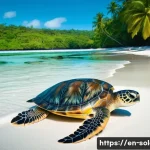
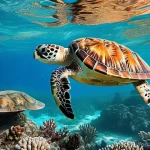
Seriously, it’s a place where every dive, every snorkel, every moment spent near the water, feels like stepping into a living, breathing aquarium. It’s no wonder these waters are home to the largest gathering of nesting Hawksbill turtles in the entire South Pacific, with over 2,000 turtles nesting there each year.
But it’s not just Hawksbills; you’ll also find green sea turtles, a plethora of fish, and fascinating invertebrates like tridacnid clams and sea cucumbers, all thriving in this unique environment.
This rich marine tapestry supports not just the local wildlife, but also the livelihoods and cultural heritage of the island communities who have lived in harmony with the ocean for generations.
The Perils Faced by Our Ocean Friends
As much as I adore the beauty of these islands, I can’t ignore the harsh realities they face. Our beloved Hawksbill turtles, along with many other marine creatures, are up against some pretty daunting odds.
Historically, things like habitat degradation, getting caught accidentally in commercial fishing nets, and illegal poaching have really hit the Hawksbill population hard.
I’ve heard stories that by the early 1990s, the turtle and fish populations around the Arnavon Islands were severely depleted. And it’s not just historical issues; climate change is throwing new curveballs, too.
We’re talking about rising sea levels, which are eating away at those crucial nesting beaches, and warmer ocean temperatures causing devastating coral bleaching.
It genuinely breaks my heart to think about how these gentle giants, who have navigated our oceans for millions of years, are now struggling against pressures largely created by us.
The illegal trade in turtle products, particularly hawksbill shells for jewelry, continues to be a persistent threat despite legal bans. It’s a complex web of challenges, making conservation efforts all the more urgent and vital.
Guardians of the Arnavons: A Community’s Unwavering Commitment
The Birth of a Marine Park
It’s easy to feel a bit hopeless when you hear about all the threats, but then you learn about places like the Arnavon Community Marine Park, and your faith in humanity just surges!
This isn’t just any marine park; it’s a testament to what dedicated people can achieve. After years of serious overexploitation, the Solomon Islands government declared the Arnavon Islands a sanctuary back in 1976.
But it wasn’t until 1991, with the introduction of beach monitoring and turtle tagging, that a true community-based management approach really took root.
I mean, think about that – nearly two decades later, but the commitment finally solidified. The Nature Conservancy stepped in around 1992, working alongside the three communities of Katupika, Kia, and Wagina, and by 1995, the Arnavon Community Marine Conservation Area was officially established.
And get this: in 2017, it was elevated to the country’s first national marine park! It now covers over 150 square kilometers, protecting a diverse range of marine ecosystems and, most importantly, providing a critical safe haven for thousands of nesting Hawksbill turtles each year.
It’s truly an inspiring turnaround.
Locals Leading the Charge
What really makes the Arnavon story special, for me, is the deep-rooted involvement of the local communities. It’s not a top-down approach; it’s genuinely community-led, and that makes all the difference.
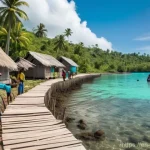
The men and women from Kia, Wagina, and Katupika aren’t just passively supporting; they’re actively managing the park, protecting and monitoring nesting sea turtles and their eggs.
I imagine them patrolling the beaches under the moonlight, carefully checking nests, and perhaps even relocating vulnerable eggs to safer ground away from predators or rising tides.
They’re collecting crucial data on Hawksbills, green turtles, and leatherbacks – information that is absolutely vital for understanding migration patterns and ensuring long-term survival.
It’s a continuous, hands-on effort, blending traditional knowledge with modern conservation science. I’ve read how they even use satellite tracking to understand migration patterns, which is just mind-blowing!
This isn’t just a job for them; it’s a way of life, a commitment to their ancestral lands and waters, and a powerful example of stewardship.
Empowering Voices: Women on the Frontlines of Conservation
Beyond Traditional Roles
This part of the story always gives me goosebumps, because it highlights an aspect of conservation that is so often overlooked: the incredible power of women.
In many Melanesian cultures, traditional gender roles often restrict women to domestic duties, with men holding the majority of decision-making power.
But in the Solomon Islands, particularly around the Arnavons, that narrative is changing, and it’s absolutely thrilling to witness. Groups like KAWAKI (named after the communities of Katupika, Waghena, and Kia) are spearheading efforts to empower women, giving them a voice and an active role in marine conservation.
I’ve heard about women like Haehathe, who are among the first female conservation rangers in the Solomon Islands, working side-by-side with their male colleagues to protect leatherback turtles.
It’s a huge cultural shift, and it’s not always easy, but their dedication is unwavering. These women aren’t just breaking barriers; they’re proving that conservation efforts are stronger, more effective, and more sustainable when everyone has a seat at the table and an opportunity to contribute their deep knowledge of the natural world.
New Skills, New Futures
What I find particularly inspiring is how these initiatives aren’t just about protection but also about building brighter futures for the women and their communities.
Organizations like The Nature Conservancy, often in partnership with other groups like Mary Kay Inc., are supporting skills development for women’s groups like KAWAKI.
We’re talking about practical training in things like food safety and personal hygiene, which are crucial for launching sustainable ecotourism ventures.
Imagine these women, traditionally excluded from such technical roles, now leading conservation education programs for schools, developing community conservation centers, and even guiding tourists through their protected marine paradise.
This empowerment goes far beyond the immediate conservation work; it’s about creating new economic opportunities, fostering leadership, and ensuring that future generations have both healthy oceans and vibrant, self-sufficient communities.
It’s a truly holistic approach that recognizes the interconnectedness of ecological health and human well-being.
Eco-Tourism: A Win-Win for Turtles and Local Livelihoods
Sustainable Journeys, Lasting Impact
The idea of responsible tourism, or ecotourism, has always resonated deeply with me. It’s about more than just visiting a beautiful place; it’s about making sure your visit leaves a positive, lasting impact.
In the Solomon Islands, and particularly around the Arnavons, ecotourism is becoming a really powerful tool for conservation and community development.
Imagine being able to visit these incredible islands, witness Hawksbill turtles nesting or hatchlings making their dash for the sea, all while knowing your presence is directly contributing to their protection.
That’s the magic of it! KAWAKI, the women’s group I mentioned, is actually at the forefront of developing these small-scale, low-volume ecotourism ventures.
The goal is to attract visitors who are truly “enticed by the island’s turtles and coral reefs” and are willing to support conservation. It creates a direct economic incentive for the local communities to safeguard their natural resources, transforming what might once have been a threat (like poaching) into a source of sustainable income and pride.
It’s truly a win-win situation, ensuring both the long-term protection of this remarkable place and better economic opportunities for the people who call it home.
Planning Your Ethical Adventure
If you’re anything like me, hearing about these initiatives makes you want to pack your bags and go! But ethical travel is key, especially in such fragile ecosystems.
For instance, when planning a trip to a place like the Arnavon Community Marine Park, it’s essential to choose operators and accommodations that are genuinely committed to sustainability and directly support local conservation efforts.
This often means opting for smaller, community-run lodges or tours, where your money directly benefits the people on the ground doing the hard work. I’d personally seek out opportunities to engage with the local rangers, perhaps even learn about their monitoring efforts, which would be an incredible experience.
Remember, tourism in the Solomon Islands is still a growing sector, and while visitor numbers to the Arnavons have steadily increased, infrastructure and marketing for sustainable ecotourism are still developing.
So, be prepared for a more authentic, less commercialized experience, and always be mindful of your environmental footprint. Supporting these ventures not only protects the turtles but also helps lift communities out of poverty, providing them with the vital resources needed for effective conservation.
The Hawksbill’s Journey: Challenges and Hopes for Recovery
Navigating a Changing World
The Hawksbill turtle’s life cycle is an epic journey, spanning vast ocean distances, yet their survival often comes down to the safety of a few sandy beaches.
It’s a journey fraught with peril, especially in our rapidly changing world. I’ve learned that while the Arnavons have shown incredible signs of recovery for Hawksbills, other populations, like the Western Pacific leatherbacks, have seen dramatic declines.
This highlights how fragile and localized conservation successes can be. These turtles face a barrage of modern threats: destructive fishing gear, accidental capture in nets (known as bycatch), pollution from plastics, and the devastating effects of rising sea levels on their nesting sites.
I can only imagine the struggle a female turtle faces, returning to a beach she remembers, only to find it eroded or inundated. Despite legal bans on trade since 1992, turtle products are still illegally sold, with an estimated 9,473 turtles harvested annually across the Solomon Islands, predominantly juvenile green and Hawksbill turtles.
This ongoing challenge means that while progress is being made in protected areas, the broader seascape still presents significant dangers for these magnificent creatures.
Small Victories, Big Dreams
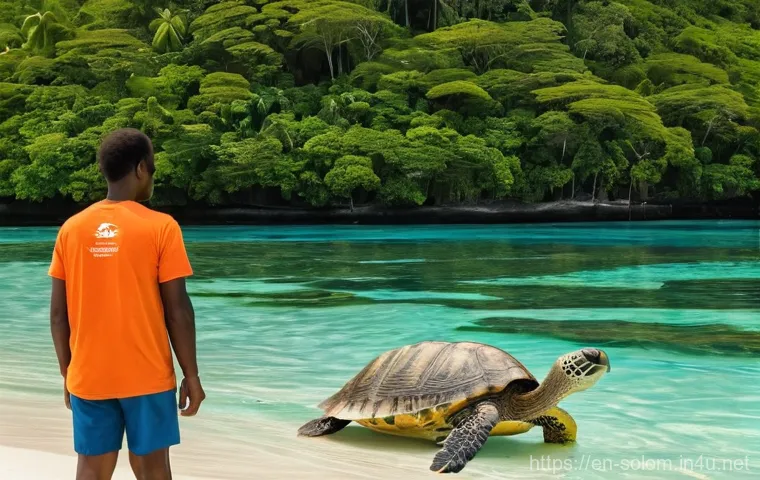
Yet, amidst these significant challenges, there are genuinely hopeful signs of recovery, particularly in places like the Arnavon Islands. The dedicated efforts of community rangers and conservationists have led to a rebound in the Hawksbill turtle population there.
I find it incredibly encouraging to read about local rangers protecting eggs from predators, relocating nests to higher ground when threatened by rising tides, and helping hatchlings safely reach the sea.
These aren’t just small tasks; they are critical interventions that directly impact the survival rates of these critically endangered animals. The long-term data collection, including satellite tagging to track migration patterns, is giving us invaluable insights into their lives and helping to inform broader protection strategies.
While the dream of fully restored turtle populations across the entire South Pacific might seem enormous, these local successes are powerful proof that focused, community-driven conservation truly works.
Every single hatchling that makes it to the ocean is a testament to that unwavering hope and commitment.
Beyond the Beaches: Broader Marine Conservation Initiatives
Coral Reef Restoration: Rebuilding Underwater Cities
Our focus has been on turtles, but it’s crucial to remember that their survival is intricately linked to the health of the entire marine ecosystem. Coral reefs, for instance, are the vibrant underwater cities that provide food and shelter for countless species, including young turtles.
However, these incredible ecosystems are under immense threat from rising sea temperatures and ocean acidification, leading to widespread coral bleaching and degradation.
It’s not just an environmental issue; it’s an economic one, too, as nearly half of all Solomon Island households rely on fishing or harvesting invertebrates for food and income.
That’s why I’m so thrilled to see efforts extending beyond just turtle protection to active coral reef restoration. Imagine communities working to replant corals, essentially rebuilding these vital habitats piece by piece.
These initiatives are not only restoring biodiversity but also strengthening the resilience of the entire marine environment against the impacts of climate change.
It’s a tough fight, but every regenerated reef segment is a win for the ocean and its inhabitants.
Combating Plastic Pollution: A Global Fight
Another huge issue, and one that resonates globally, is plastic pollution. I’ve seen firsthand how plastics choke our oceans, harming marine life that mistake it for food or get entangled in it.
For sea turtles, discarded fishing gear and plastic debris are deadly threats, and it truly saddens me to think of these ancient mariners struggling against our modern waste.
While the Solomon Islands are remote, they are by no means immune to this global problem. That’s why broader marine conservation initiatives are increasingly focusing on combating plastic pollution, both through local clean-up efforts and through advocating for better waste management practices.
It’s a massive undertaking, requiring collaboration from local communities, governments, and international organizations. But every piece of plastic removed from the ocean, every local education program about responsible waste disposal, contributes to a healthier, safer environment for all marine life, including our precious turtles.
It’s a tangible way we can all contribute, no matter where we are.
How You Can Dive In and Make a Difference
Supporting Local Initiatives from Afar
You know, sometimes when you hear about these incredible conservation efforts happening thousands of miles away, it can feel like your ability to help is limited.
But that’s absolutely not true! Even from afar, you can make a significant impact. One of the most direct ways is by supporting the organizations that work tirelessly on the ground with these communities.
Groups like The Nature Conservancy, for example, have been instrumental in the Arnavon Community Marine Park’s success and continue to back women’s groups like KAWAKI.
A financial contribution, no matter how small, can help fund ranger patrols, provide essential training for local conservationists, or support the development of sustainable ecotourism projects.
It’s about being a conscious consumer and choosing to support organizations that empower local communities to be the stewards of their own resources. I personally always look for transparency in how donations are used because I want to know my contribution is making a real, tangible difference for those turtles and the dedicated people protecting them.
Responsible Travel Practices
And for those of us who dream of experiencing these wonders firsthand, responsible travel is paramount. If you ever get the chance to visit the Solomon Islands, or any sensitive marine environment, remember that your choices have power.
Choose tour operators that have clear, verifiable commitments to conservation and local communities. Ask questions about their practices: Do they support local guides?
Are their activities low-impact? Do they educate visitors on respecting wildlife and marine habitats? I always make sure to avoid any activities that exploit marine life, like purchasing turtle shell products – remember, the sale of turtle products is illegal and fuels the decline of these species.
By being an informed and ethical traveler, you not only minimize your negative impact but also actively contribute to the economic viability of sustainable ecotourism, reinforcing the idea that living turtles are far more valuable than dead ones.
It’s a powerful message we can send with our wallets and our actions.
| Conservation Strategy | Description | Impact on Hawksbill Turtles |
|---|---|---|
| Community-Led Marine Parks | Local communities actively manage and protect designated marine areas, integrating traditional knowledge with scientific methods. (e.g., Arnavon Community Marine Park established in 1995, upgraded to National Park in 2017) | Direct protection of nesting beaches and foraging grounds, leading to population rebounds. |
| Women’s Empowerment Programs | Training and support for women’s groups to participate in conservation, ranger duties, and ecotourism development. (e.g., KAWAKI Women’s Network) | Increases community involvement and effectiveness, fostering a stronger, more inclusive conservation approach. |
| Sustainable Ecotourism | Developing low-volume, community-based tourism ventures that provide economic benefits directly linked to conservation. | Creates economic incentives for protecting marine life, reducing reliance on potentially harmful practices. |
| Monitoring and Data Collection | Regular beach patrols, nest monitoring, turtle tagging, and satellite tracking to gather crucial population and migration data. | Provides essential information for adaptive management and targeted protection strategies. |
| Combating Illegal Trade | Enforcement of existing laws against poaching and sale of turtle products, alongside awareness campaigns. | Reduces direct mortality from human exploitation, crucial for species recovery. |
The Tides of Hope: A Sustainable Future in Sight
Investing in the Next Generation of Ocean Stewards
When I think about the long-term future of these incredible places and creatures, my mind immediately turns to the next generation. It’s not enough to protect what’s there now; we need to instill a deep sense of stewardship in the children who will inherit these oceans.
That’s why I’m so passionate about educational initiatives happening in the Solomon Islands. Women’s groups like KAWAKI are creating conservation education programs for local schools, teaching children the importance of protecting turtles and their marine environment.
Imagine the impact of these lessons – young minds learning firsthand about the delicate balance of their ecosystem, perhaps even getting to see a turtle nest or a hatchling release.
These experiences aren’t just academic; they’re deeply formative, building a lifelong connection to nature. Investing in these young ocean stewards means we’re not just conserving for today, but for generations to come, creating a ripple effect of protection that will hopefully extend far beyond the islands’ shores.
A Global Blueprint for Local Success
What’s happening in the Solomon Islands, particularly with the Arnavon Community Marine Park and the incredible work of local communities, isn’t just a localized success story; it’s a powerful blueprint for conservation worldwide.
It demonstrates that effective conservation doesn’t always need to come from grand, top-down initiatives. Often, the most profound and sustainable change emerges when local communities are empowered to take ownership, blending their traditional wisdom with modern scientific approaches.
The Solomon Islands government itself is showing strong commitment to ocean protection, aiming to increase its protected marine waters significantly, reflecting a national ambition to safeguard biodiversity for future generations.
They are finalizing their national marine spatial plan and building a “community of practice” to support knowledge gathering and analysis for ocean protection.
This inclusive model, which emphasizes indigenous knowledge, customary governance, and community priorities, is what makes it so resilient and successful.
It’s a testament to the idea that by nurturing local leadership, respecting cultural values, and working together, we truly can turn the tide for critically endangered species like the Hawksbill turtle and ensure that future generations can also marvel at their serene beauty.
Concluding Thoughts
It’s truly inspiring, isn’t it? To see how dedicated communities in the Solomon Islands are not just battling against the odds but actively turning the tide for the magnificent Hawksbill turtles and their precious marine habitats.
My journey through their story has left me with a profound sense of hope and a reinforced belief in the power of collective action. These efforts are a powerful testament to what can be achieved when passion meets purpose, and when we all choose to stand up for the silent wonders of our oceans.
Their resilience and commitment are a beacon for conservation worldwide, showing us that a sustainable future is not just a dream, but a tangible reality we can all help build.
Useful Information to Know
1. Supporting Conservation: If you’re moved by these stories, consider supporting reputable international and local organizations like The Nature Conservancy. They work directly with communities in the Solomon Islands to fund ranger patrols, educational programs, and sustainable livelihood projects. Your contributions, big or small, can make a tangible difference on the ground.
2. Responsible Ecotourism: When planning any trip to sensitive marine environments, always prioritize ethical operators. Look for tours that explicitly state their commitment to conservation, utilize local guides, and minimize environmental impact. Asking questions about their practices before you book can ensure your travel dollars support the good work being done.
3. Understanding Hawksbill Threats: Hawksbill turtles are critically endangered, facing threats from habitat loss, climate change, bycatch in fishing gear, and illegal trade in their beautiful shells. Being aware of these challenges is the first step towards advocating for stronger protections and making informed choices as a consumer.
4. Community-Led Conservation: The success in the Arnavon Community Marine Park highlights the immense power of local communities. When conservation efforts are community-driven, blending traditional knowledge with modern science, they tend to be far more sustainable and effective. It’s a model worth replicating globally.
5. Reducing Plastic Pollution: Even far from the Solomon Islands, you can help by significantly reducing your plastic consumption. Single-use plastics are a major threat to marine life, including turtles. Embrace reusable alternatives, support businesses committed to sustainable packaging, and participate in local clean-up initiatives.
Key Takeaways
The Solomon Islands exemplify how community-led conservation, particularly with the empowerment of women, can revive critically endangered species like the Hawksbill turtle.
Through the establishment of marine parks, sustainable ecotourism, and dedicated local guardianship, these islands offer a blueprint for global ocean protection.
Every effort, from direct financial support to mindful travel and reduced plastic use, contributes to a healthier future for our oceans and their incredible inhabitants.
Frequently Asked Questions (FAQ) 📖
Q: What makes the Solomon Islands, especially places like the
A: rnavon Community Marine Park, such a critical hotspot for Hawksbill sea turtles? A1: Oh, this is such a fantastic question, and it really gets to the heart of why I’m so passionate about this!
From what I’ve personally experienced and learned, the Solomon Islands are truly a diamond in the rough when it comes to marine biodiversity, and for Hawksbill turtles, it’s practically their ancestral home.
These islands, with their pristine coral reefs and remote, untouched beaches, offer the perfect, undisturbed nesting grounds that these critically endangered creatures desperately need.
The Arnavon Community Marine Park, in particular, is like a super-exclusive resort for them, providing a safe haven away from many human disturbances.
I mean, think about it – clear, warm waters, abundant food sources, and those quiet, sandy shores for their precious eggs. It’s a combination that’s becoming increasingly rare globally.
I truly believe that without these specific, protected areas, the future of the Hawksbill would be far bleaker. It’s not just a beautiful place; it’s absolutely essential for their survival.
Q: We often hear about the challenges facing sea turtles. What are the main threats to Hawksbill turtles in the Solomon Islands, and how are communities tackling them head-on?
A: It’s true, the challenges can feel daunting, and honestly, hearing about them can be heartbreaking. The Hawksbill turtles in the Solomon Islands face a double whammy of threats, primarily from the relentless impacts of climate change, which disrupts their nesting beaches, and sadly, illegal harvesting for their beautiful shells.
It’s a harsh reality. But what truly uplifts me is seeing the incredible determination of the local communities. They aren’t just sitting back; they’re actively fighting for these turtles!
For instance, in the Arnavon Community Marine Park, I’ve seen firsthand how women’s groups are absolutely rocking it. They’re implementing innovative patrol systems, monitoring nesting sites with such dedication, and even educating their own communities about the long-term value of protecting these creatures.
It’s not just about stopping the immediate threats; it’s about fostering a deep, cultural connection to conservation that will last generations. Their approach is truly holistic, blending traditional wisdom with modern scientific methods, and it’s making a real, tangible difference.
Q: Beyond direct protection, how are local initiatives and ecotourism helping to create a sustainable future for both the Hawksbill turtles and the people of the Solomon Islands?
A: This is where the story gets really exciting and, frankly, incredibly inspiring! Protecting turtles isn’t just about fences and patrols; it’s about building a sustainable future where both people and wildlife can thrive.
What I’ve found so remarkable in the Solomon Islands is how local initiatives, especially through community-led ecotourism, are weaving conservation directly into the economic fabric of daily life.
When visitors come to see these magnificent creatures in their natural habitat, and their dollars directly support the communities involved in conservation, it creates a powerful incentive.
I’ve personally felt the buzz of excitement from local guides sharing their knowledge and seeing the pride in their eyes as they showcase their protected marine environment.
It’s not just a job; it’s a passion! This kind of responsible tourism means local families benefit directly from healthy ecosystems, shifting the narrative from exploitation to appreciation.
It’s a win-win: the turtles get their sanctuary, and the communities gain sustainable livelihoods, fostering a strong sense of ownership and dedication to keeping their marine world vibrant for everyone.