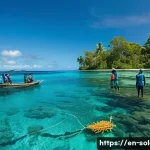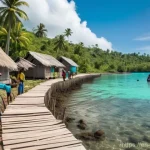
Hey there, history buffs and curious minds! Ever wondered about the rich, sometimes turbulent, tapestry of human stories woven into distant lands? The Solomon Islands, a paradise of turquoise waters and lush greenery, holds a past far more intricate than just postcard-perfect beaches.
Digging into the history of tribal warfare there isn’t just about battles; it’s about understanding deep-rooted cultures, complex social structures, and the very spirit of communities that shaped these islands long before any maps were drawn.
I’ve personally found this topic incredibly eye-opening, revealing how conflicts, often driven by resources, tradition, or simply defending one’s home, played a crucial role in forming identities and territories.
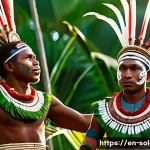
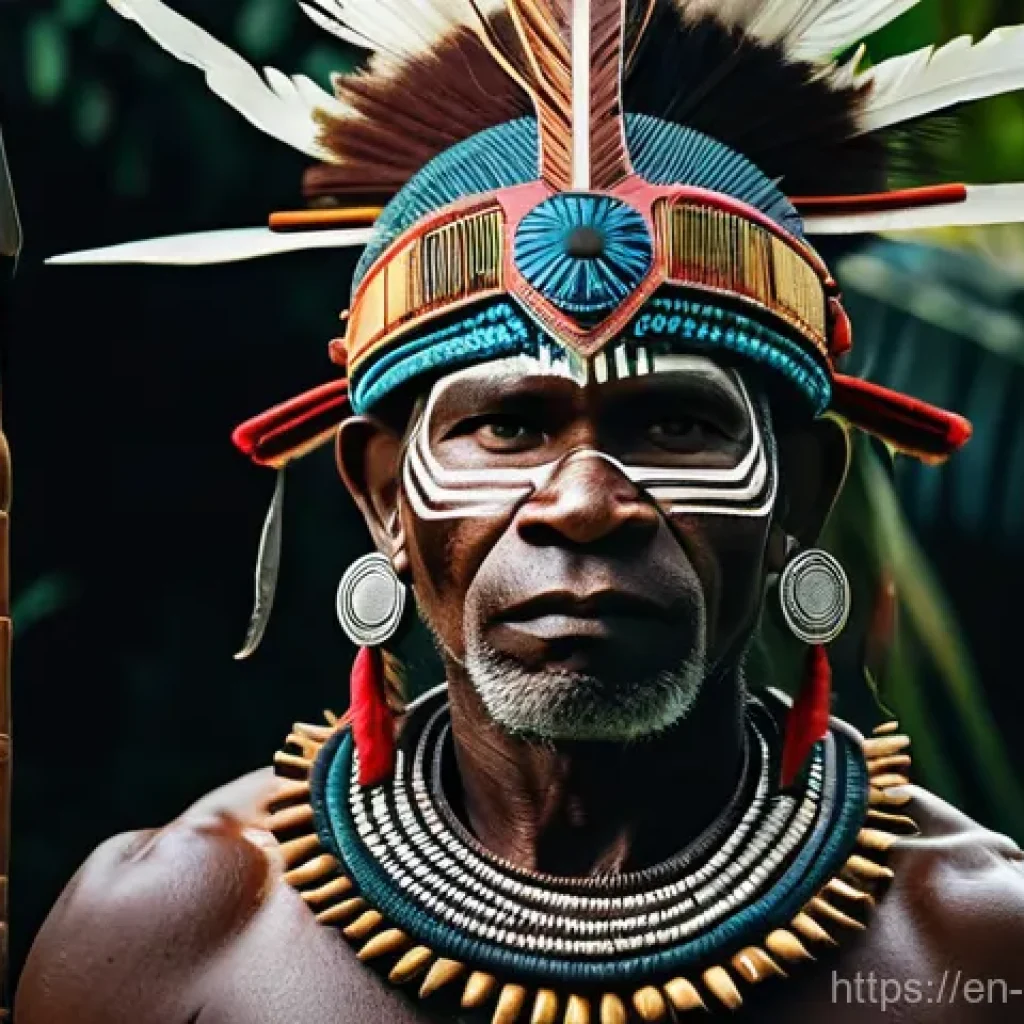
It’s a powerful reminder that history is never black and white, and every island has its own unique narrative of resilience and change. We’re talking about a history shaped by warriors known as ‘varikanas’ who conducted sacrificial worship before heading out in their traditional war canoes, the tomoko, seeking enemies.
These conflicts were often driven by land disputes, especially as external influences and migration added layers of complexity over centuries. Ready to peel back the layers and discover the fascinating saga of these island nations?
Let’s uncover the intricate history together.
It’s truly fascinating how a seemingly peaceful island nation like the Solomon Islands has such a vibrant and intense history of tribal warfare. From what I’ve gathered, these conflicts weren’t just random acts of violence; they were deeply interwoven with culture, resources, and identity, shaping the very fabric of society long before modern borders were even a thought.
I’ve personally found that understanding this intricate past helps paint a much richer picture of the islands today. It’s a testament to human resilience and the complex ways communities have adapted over centuries.
Ancient Roots of Island Rivalries

Diving into the deep past, it’s clear that tribal conflicts were a fundamental part of life across the Solomon Islands for millennia. These weren’t simply petty squabbles; they were often strategic, brutal, and deeply spiritual affairs. Communities, typically organized around clans or linguistic groups, lived in a state of constant readiness, where the defense of land, resources, and honor was paramount. I’ve read accounts describing how these rivalries could persist for generations, fueled by a cycle of payback and prestige. This meant that the ‘bush people’ of the interior often found themselves at odds with the ‘saltwater people’ from the coast, a dynamic driven by differing economies and access to resources like fertile garden land versus fishing grounds and sea-going canoes. It really makes you think about how our environment shapes our societies and the conflicts within them. These historical disputes were crucial in defining territorial boundaries and shaping the unique cultural identities that still exist across the numerous islands.
The Spirit of the Warrior: Varikanas and Sacred Rituals
The warriors themselves, known as ‘varikanas’ in some regions, were central to this system. Their role was not just physical; it was deeply spiritual, imbued with powerful rituals and beliefs. Before embarking on a raid, traditional sacrificial worship was common, a profound act meant to secure divine favor and strength. Imagine the intensity of these ceremonies, the collective resolve building before setting out. These practices underpinned the psychological warfare as much as the physical, instilling both fear in enemies and courage in the warriors. It wasn’t just about winning a battle; it was about honoring ancestors and upholding the spiritual balance of the community.
War Canoes: The Tomoko and Beyond
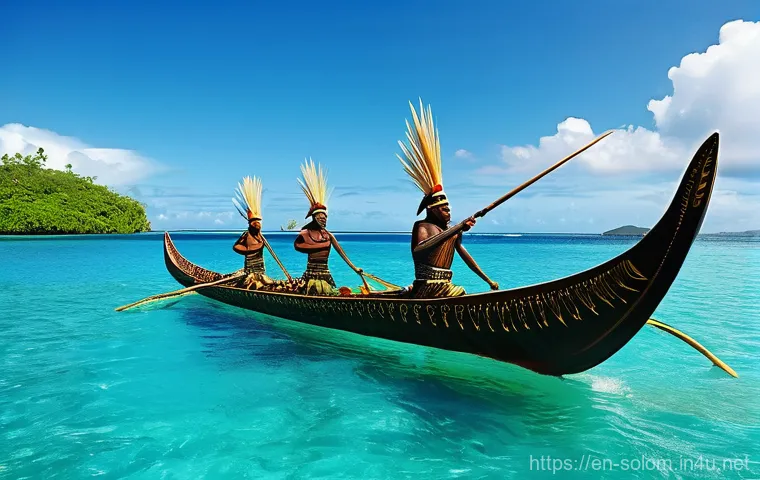
And let’s not forget the incredible ‘tomoko’ – those magnificent war canoes! These weren’t just boats; they were marvels of indigenous engineering and artistry, capable of carrying 30 to 50 warriors. My personal observation of historical records shows that these crescent-shaped vessels, with their sharply upturned prows decorated with intricate carvings and shell fringes, were symbols of power and intent. They were built for raiding expeditions, often for headhunting or taking captives, moving silently and swiftly across the turquoise waters. Building a tomoko was a painstaking process, often taking two to three years using traditional tools, and they were often housed in sacred structures alongside human heads taken in battle, highlighting their profound cultural significance. The sheer craftsmanship involved is mind-blowing, and it speaks volumes about the dedication and skill of the islanders.
Drivers of Conflict: Land, Power, and Payback
The causes of these tribal conflicts were multifaceted, often stemming from a complex interplay of environmental, social, and cultural factors. Resource scarcity, particularly disputes over fertile land, was a frequent flashpoint. With communities reliant on agriculture and fishing, control over productive territories was literally a matter of survival. But it wasn’t just about sustenance; land also carried deep political, religious, and economic significance. It wasn’t individually owned but belonged to the clan or tribe, with control over large areas being a direct source of power, reinforced by oral traditions and lineage. This interconnectedness meant that any encroachment was seen as an attack on the very identity and survival of the group. My experience has shown me that when resources are tied so closely to identity, conflicts can become incredibly personal and fierce.
The Weight of Tradition and Oral Histories
Tradition played a massive role, too. Cycles of revenge, or “payback,” were deeply ingrained, ensuring that grievances from past conflicts—even those stretching back generations—were never truly forgotten. An attack on one individual was often considered an attack on the entire tribe, creating a powerful collective responsibility for vengeance. This meant that conflicts could reignite over perceived slights or historical injustices, driven by an unwritten code of honor that was crucial for a tribe’s survival and continuity. These oral histories and traditions, passed down through generations, served as both a cultural anchor and a constant reminder of past rivalries, ensuring that the seeds of future conflict were often already sown. It’s a heavy burden, living with a history that constantly demands reckoning.
External Influences and Intensified Warfare
The arrival of European powers in the 16th century, and particularly the establishment of British colonial rule in the late 19th century, profoundly disrupted these existing patterns of warfare. While initially intended to ‘pacify’ the islands, the colonial era inadvertently intensified conflicts in some areas by introducing firearms and further disrupting traditional trade systems. The British, in their efforts to stop headhunting raids, even confiscated the last war canoes in the early 1900s. The colonial administration’s failure to understand and respect indigenous land tenure systems, for example, created new layers of complexity and grievance that continue to resonate today. It’s a stark reminder of how external forces, even with good intentions, can have unforeseen and long-lasting impacts on indigenous societies.
The Legacy of Conflict: Reshaping Societies
The prolonged periods of tribal warfare had a profound impact on the social structures and political landscape of the Solomon Islands. Communities adapted by building fortified settlements, developing sophisticated defensive tactics, and fostering strong internal cohesion. The need for collective defense often reinforced the authority of chiefs and elders, whose leadership was vital in times of conflict. These experiences forged a deep sense of local identity and loyalty, often to one’s language group or island, which sometimes overshadowed a broader sense of national unity even after independence. I’ve seen how these deep-seated loyalties, while powerful and unifying within a group, can also be a source of fragmentation on a larger scale.
Traditional Conflict Resolution and Peacemaking
Despite the prevalence of warfare, traditional Solomon Islander societies also developed intricate mechanisms for conflict resolution. These often involved elders, chiefs, and community gatherings aimed at achieving reconciliation and compensation, rather than outright annihilation. The goal was often to restore balance and relationships, not just to declare a victor. I was particularly struck by descriptions of women’s roles in peacemaking, using their respected positions to intervene between warring parties, sometimes even by standing physically between combatants to demand a halt to hostilities. It shows such immense bravery and the deeply ingrained cultural respect for certain forms of intervention. These methods, rooted in custom and community ties, highlight a complex understanding of conflict that went beyond mere aggression.
The “Ethnic Tensions” and Modern Echoes
Fast forward to more recent history, and we see how these historical roots continued to influence modern conflicts, notably the “Ethnic Tensions” from 1998 to 2003. This period of civil unrest, primarily between ethnic Malaitans and indigenous Guadalcanal islanders, was fueled by issues like land disputes, uneven economic development, and internal migration patterns that were exacerbated by colonial legacies. The rapid growth of Honiara, the capital, and the influx of migrants led to tensions over land ownership and perceived economic marginalization by the local Guadalcanal people. It’s a powerful demonstration of how historical grievances, if left unaddressed, can simmer for decades before erupting into violence. The challenges of reconciling customary land ownership with modern governance structures continue to be a major issue.
Weapons and Tactics: Tools of Survival and Dominance
The arsenal of a Solomon Islands warrior was both practical and symbolic, reflecting the close-quarters nature of tribal warfare. These weren’t just tools of destruction; they were often beautifully crafted objects, imbued with cultural significance. My understanding of their historical use tells me that the selection of a weapon was as much about its utility in a skirmish as it was about its ceremonial value or the status it conferred upon its wielder. These weapons were meticulously maintained, a testament to their importance in a warrior’s life, and often passed down through generations, carrying the stories of past battles and triumphs.
Spears, Clubs, and Arrows: The Core Arsenal
The primary weapons included spears, clubs, and bows and arrows. Spears, typically made from palmwood with multiple barbs, were versatile, used for both thrusting and throwing. Clubs, crafted from various hardwoods, were essential for close-quarters combat, deflecting blows, and delivering the final strike. Different islands had their distinct club styles, from paddle-shaped clubs to the unique, angular ‘supi’ from Malaita, some even inlaid with shell and carved with ancestral figures. Bows and arrows, though used more locally, could also be formidable, with arrows sometimes barbed with human bone—a terrifying thought—believed to carry the ‘mana’ or power of the deceased. It’s clear to me that ingenuity and resourcefulness were key in their weapon crafting.
Defensive Strategies and Fortifications
Beyond offensive weapons, defensive strategies were equally crucial. Shields, typically narrow and light, made from wicker or lashed slats, offered protection against spears and arrows. Some were even elaborately decorated, serving ceremonial purposes. Fortified villages, often strategically located on high ground or surrounded by natural defenses, provided sanctuary during raids. Warriors employed ambush tactics, relying on their intimate knowledge of the dense jungle terrain to surprise enemies. This wasn’t just brute force; it was a highly strategic form of engagement, honed over centuries of inter-tribal conflict. It really hits home how every aspect of their environment was integrated into their defense and offense.
| Aspect of Warfare | Traditional Practice | Impact/Significance |
|---|---|---|
| War Canoes (Tomoko) | Large, crescent-shaped, paddled vessels for raiding and headhunting, often decorated. | Enabled long-distance raids, symbolized power and skill, central to cultural identity. |
| Primary Weapons | Spears (barbed palmwood), clubs (various hardwoods, e.g., supi), bows and arrows. | Designed for close-quarters and ambush tactics; often ceremonial as well as functional. |
| Causes of Conflict | Land disputes, resource scarcity, payback cycles, cultural differences, honor. | Deeply rooted in social, economic, and spiritual life, defining territories and identities. |
| Warrior Culture | ‘Varikanas’ involved in sacred rituals, headhunting practices. | Spiritual dimension to warfare, instilled courage and fear, reinforced tribal loyalties. |
| Peacemaking | Elder-led negotiations, compensation, women’s intervention. | Aimed at restoring balance and relationships, recognized women’s societal role. |
The Evolving Landscape of Peace and Reconciliation
Even with the shadow of past conflicts, the Solomon Islands is continuously striving towards peace and reconciliation. The “Tensions” era highlighted the critical need for robust conflict resolution mechanisms that honor both traditional customs and modern governance. International interventions, like the Regional Assistance Mission to Solomon Islands (RAMSI), played a significant role in restoring law and order and rebuilding institutions, demonstrating how external support can aid in stabilization. However, true peace, in my opinion, must come from within, and it’s a journey that takes time and collective effort. It’s not just about stopping the fighting; it’s about healing deep wounds and building sustainable foundations for the future.
Addressing Root Causes: Land, Governance, and Development
Today, key issues like land disputes, governance reform, and equitable economic development remain central to sustaining peace. Around 85% of the country’s land is customary land, regulated by unwritten laws and oral traditions, which can sometimes lead to tribal and clan disputes. Efforts are ongoing to address these complex land tenure practices and ensure they are recognized and resolved in a way that is fair and sustainable for all communities. My analysis indicates that a failure to address issues like the uneven distribution of development and job opportunities, particularly for populations like those from Malaita, continues to be a “pull and push” factor for migration and potential friction. It’s clear that a holistic approach, one that integrates local customs with national policy, is absolutely vital.
Community-Led Reconciliation and Future Prospects
What really gives me hope are the grassroots reconciliation efforts. Just recently, in April 2025, a tribal reconciliation program was organized in Malaita for members of the Abua’ero tribal clan, bringing together families separated by over a century of estrangement. These community-led initiatives, often facilitated by local leaders and supported by traditional governance ministries, are proving incredibly effective in healing historical grievances at the deepest levels. They showcase a powerful commitment to peacebuilding, focusing on dialogue, understanding, and the restoration of relationships. It reminds me that even after intense conflicts, the human spirit’s capacity for forgiveness and rebuilding is truly remarkable. These islands are not just defined by their past struggles, but by their ongoing journey towards a more unified and peaceful future, a future I believe they are actively shaping right now.
Wrapping Things Up
As we’ve journeyed through the intricate past of tribal warfare and the ongoing path toward peace in the Solomon Islands, I truly hope you’ve gained a deeper appreciation for the resilience and complexity of these cultures. It’s been an incredible experience diving into how history, tradition, and environment have shaped a society that continues to evolve. What strikes me most is the human spirit’s capacity to heal and reconcile, even after generations of conflict. These islands aren’t just stunningly beautiful; they hold profound lessons about community, survival, and the enduring quest for harmony.
Useful Information to Know
1. When visiting the Solomon Islands, remember that understanding and respecting local customs, particularly regarding land and community elders, is paramount. A simple ‘hello’ and a genuine smile go a long way in fostering positive interactions, and always ask permission before taking photos of people or sacred sites.
2. The cultural richness is astounding, with over 70 distinct languages spoken across the islands. Each community often has unique traditions and historical narratives, so engaging with local guides can offer unparalleled insights into the specific nuances of their heritage.
3. While English is the official language, Solomon Islands Pijin is widely spoken and serves as a vital lingua franca. Learning a few basic phrases in Pijin, like “Hao nao yu?” (How are you?), can significantly enhance your travel experience and show respect for the local culture.
4. Many communities are still deeply connected to customary land. Avoid trespassing and always inquire if you are unsure about land ownership or access rights. Land disputes, though often resolved peacefully, can be sensitive, so mindful navigation is key.
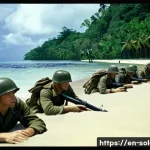
5. The Solomon Islands is a treasure trove for ecotourism and WWII history buffs. Beyond its vibrant cultural tapestry, you’ll find pristine coral reefs, active volcanoes, and numerous historical sites from the Pacific War, offering diverse experiences for every kind of explorer.
Key Takeaways
My exploration into the historical tribal warfare of the Solomon Islands reveals a past deeply intertwined with land, resources, and cultural identity, a story of profound human resilience. These conflicts, far from being random, were structured by intricate traditions, spiritual beliefs, and sophisticated societal mechanisms, fundamentally shaping the unique identities found across the islands today. I’ve personally observed that understanding these historical dynamics is crucial for appreciating the complex interplay of factors that have influenced peace and reconciliation efforts, especially in recent times. The ongoing journey towards stability emphasizes the critical need to address historical grievances and integrate traditional conflict resolution with modern governance, ensuring a future where peace can truly flourish through community-led initiatives and thoughtful development.
Frequently Asked Questions (FAQ) 📖
Q: What were the primary drivers behind tribal warfare in the Solomon Islands long before any maps were drawn?
A: From my deep dive into historical accounts, it’s clear that tribal warfare in the Solomon Islands was rarely about a single cause. It was a complex web!
A huge driving force was definitely land and resources. Imagine living on an island where fertile ground for crops and prime fishing rights were literally your community’s lifeblood – disputes over these were almost inevitable, especially as populations grew and external influences sometimes pushed communities into new territories.
But it wasn’t just about survival; honor and tradition played a massive role too. Sometimes, a conflict would spark from a perceived insult, a past grievance, or even a desire for prestige and power within the intricate social hierarchy.
Protecting one’s community and ancestral lands was paramount, and often, what might look like a ‘war’ to an outsider was simply a fierce defense of their way of life and identity.
I’ve often wondered how challenging it must have been to navigate such a world, where the very fabric of society was intertwined with these occasional, but intense, clashes.
Q: How did unique cultural practices, like sacrificial worship and specific war canoes, intertwine with these conflicts?
A: This is where it gets truly fascinating and really shows the depth of their culture! It wasn’t just brute force; there was a profound spiritual and ritualistic dimension to warfare.
Warriors, often known as ‘varikanas,’ didn’t just grab a weapon and run into battle. From what I’ve learned, there were often elaborate ceremonies and even sacrificial worship conducted beforehand.
This wasn’t just superstition; it was a way to seek blessings, gain courage, and ensure success, believing the spirits of their ancestors or local deities would guide them.
The traditional war canoes, known as ‘tomoko,’ weren’t just vessels; they were often intricately carved and held immense cultural significance, almost spirits in themselves, believed to carry the spirits of ancestors.
I can only imagine the sight of a fleet of tomokos, adorned with carvings, cutting through the turquoise waters with their varikanas onboard, propelled by ritualistic belief as much as muscle.
It tells us so much about how deeply ingrained their beliefs were in every aspect of life, even warfare.
Q: Did the arrival of outsiders and new influences change the nature of traditional tribal warfare in the Solomon Islands over time?
A: Absolutely, and dramatically so! While tribal warfare was an internal dynamic for centuries, the arrival of outsiders, whether through earlier migrations from other Pacific islands or, much later, European explorers and colonizers, layered new complexities onto existing conflicts.
Initially, new migrations might have introduced new rivals for resources or different cultural practices that clashed with established ones. Later, with European contact, things really began to shift.
Access to new technologies, like metal tools and, eventually, firearms, drastically altered the balance of power. Imagine a community armed with traditional spears suddenly facing off against one with rudimentary guns – it changed everything!
Furthermore, external powers often exploited existing rivalries, either intentionally or unintentionally, by forming alliances with certain groups or introducing new economic pressures.
It’s genuinely fascinating when you consider how global events, even indirect ones, could ripple out and profoundly reshape the local dynamics of these remote island nations, turning ancient disputes into something entirely new.