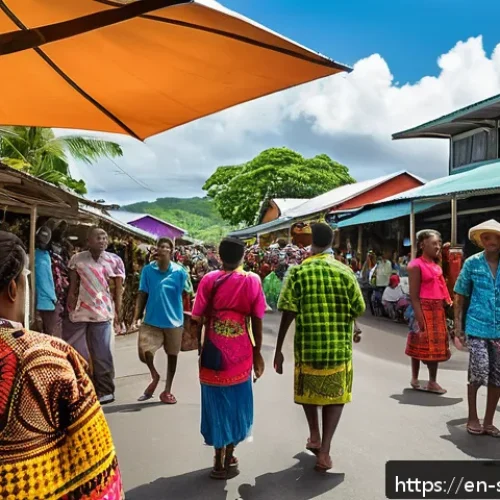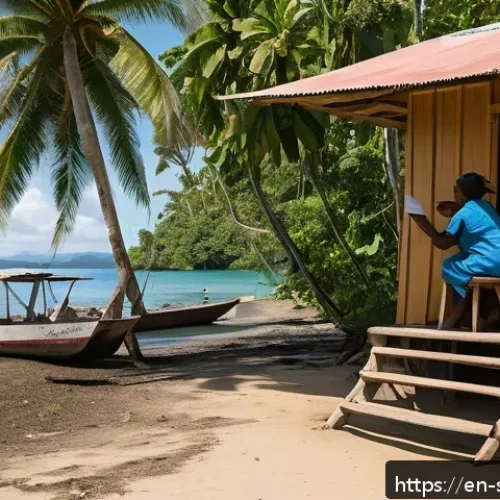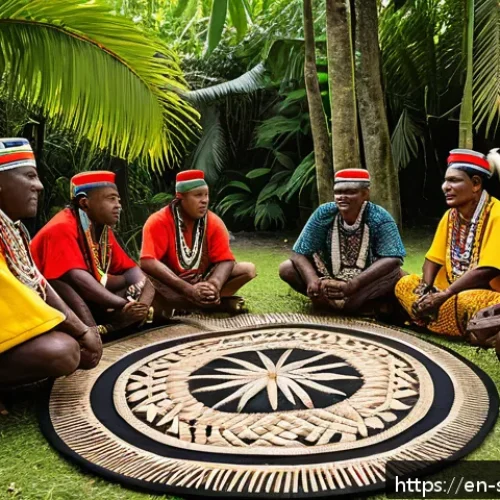
The Solomon Islands boast a rich tapestry of traditional culture that has been preserved through generations, blending vibrant customs, storytelling, and art.

From intricate wood carvings to ceremonial dances, these traditions offer a glimpse into the islanders’ deep connection with nature and community. Experiencing their cultural heritage reveals not just history but a living, breathing identity that continues to thrive today.
If you’ve ever wondered how ancient practices shape modern life in this Pacific paradise, you’re in the right place. Let’s dive in and explore these fascinating traditions in detail!
The Art of Storytelling and Oral Traditions
Preserving History Through Spoken Word
Storytelling in the Solomon Islands is far more than mere entertainment; it’s the heartbeat of cultural preservation. Elders pass down legends and ancestral tales orally, weaving lessons about morality, identity, and survival.
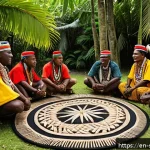
When I had the chance to sit around a fire with local villagers, I was struck by how stories weren’t just recited but performed with emotion, gestures, and pauses that made every tale come alive.
This oral tradition not only keeps history intact but also strengthens community bonds, as every listener becomes a keeper of knowledge. The nuances of tone and expression serve as a living archive, ensuring that the past is never forgotten.
The Role of Myths in Everyday Life
Myths in the Solomon Islands often explain natural phenomena or cultural customs, linking the people to their environment in profound ways. For example, stories about sea spirits or forest guardians teach respect for nature’s power and fragility.
I recall a story where the ocean’s tides were said to be the breath of ancestral beings, a belief that fosters a deep sense of stewardship over marine resources.
These myths are not static relics; they influence daily decisions, rituals, and even conflict resolution, showing how ancient wisdom still governs modern living.
Interactive Storytelling: Community Engagement
What fascinated me most was how storytelling sessions are interactive, inviting audience participation. Children and adults alike ask questions, mimic characters, or add their own interpretations, making the tradition dynamic and inclusive.
This collective involvement keeps the stories fresh and relevant, adapting to contemporary issues without losing their roots. It’s a beautiful example of culture evolving organically while honoring its origins.
Wood Carvings: Crafting Identity
Symbolism Embedded in Every Detail
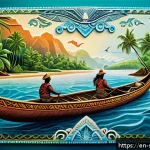
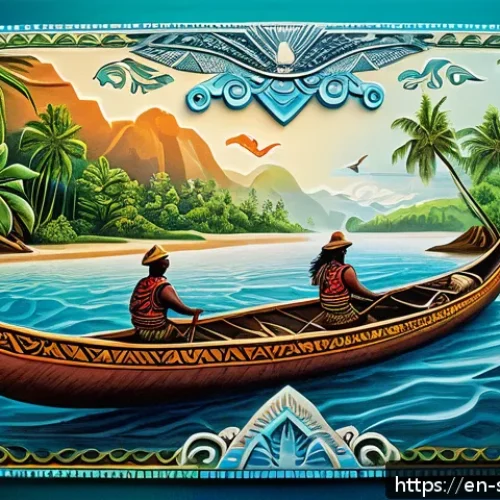
Wood carving in the Solomon Islands is a masterful art form where every curve and notch carries meaning. Carvers use local hardwoods to create masks, canoes, and ceremonial objects, each embedded with symbols representing ancestry, spirituality, and social status.
Watching a craftsman at work, I noticed how the process is meditative and deliberate, reflecting respect for both material and tradition. These carvings are more than decorative; they are storytellers in their own right, preserving heritage through tangible form.
Tools and Techniques Passed Down Generations
The tools used in carving—often handmade—have remained consistent for centuries, passed from master to apprentice. The knowledge of wood selection, drying, and carving techniques is guarded closely, ensuring authenticity.
When I handled a carved piece, I felt the weight of history and personal dedication imbued in its creation. It’s a testament to how craftsmanship serves as a bridge connecting past and present artisans.
Carvings in Ritual and Daily Life
Carvings are integral to ceremonies such as weddings and initiations, symbolizing protection and blessings. Additionally, everyday objects like bowls and paddles are adorned with intricate designs, blending functionality with artistry.
This seamless integration of art and utility highlights the islanders’ holistic worldview, where beauty and purpose coexist harmoniously.
Ceremonial Dances: Movement as Expression
Rituals That Unite Communities
Ceremonial dances in the Solomon Islands are powerful expressions of communal identity and spiritual connection. These performances often mark significant life events or seasonal changes, serving as a collective affirmation of shared values.
I’ve witnessed dances where synchronized movements and rhythmic drumming create an almost hypnotic atmosphere, drawing everyone into a shared emotional experience.
The energy is palpable, reminding me how dance transcends words to convey meaning.
Costumes and Body Art: Visual Storytelling
Costumes worn during ceremonies are vibrant, often crafted from natural materials like leaves, shells, and feathers. Body painting further enhances the storytelling, with patterns signifying clan affiliation or spiritual protection.
Experiencing this firsthand, I was amazed at how each element told a chapter of a larger narrative, turning the dancers into living canvases of tradition.
The Evolution of Dance in Modern Times
While rooted in ancient practices, these dances have adapted to contemporary contexts, sometimes performed for tourists or cultural festivals. I noticed that younger generations infuse modern influences, blending traditional steps with new rhythms.
This fusion reflects a culture that honors its roots while embracing change, ensuring these dances remain relevant and vibrant.
Community Rituals and Social Structures
Role of Chiefs and Elders
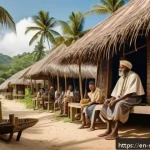
Leadership in Solomon Islands communities is deeply intertwined with cultural customs. Chiefs and elders are custodians of tradition, mediating disputes and guiding ceremonies.
Their authority stems not just from position but from wisdom and respect earned over time. I observed how decisions are often made collectively, with elders facilitating discussions that emphasize harmony and consensus.
Rites of Passage
Rites of passage mark important transitions such as coming of age, marriage, and death. These ceremonies often involve elaborate preparations and symbolic acts that affirm individual and communal identity.
Being invited to witness a coming-of-age ceremony, I felt the profound significance placed on these moments, where personal growth is celebrated within the context of community continuity.

Shared Responsibilities and Social Cohesion
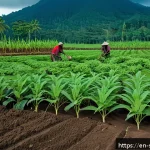
The social fabric is woven tightly through shared responsibilities like fishing, farming, and building communal structures. This cooperative spirit ensures survival and strengthens bonds.
From my experience participating in a village fishing expedition, the emphasis on teamwork and mutual support was evident, highlighting how tradition sustains not only culture but also practical living.
Traditional Music and Instrumentation
Unique Sounds of the Islands
Music in the Solomon Islands employs instruments like slit drums, bamboo flutes, and panpipes, creating distinctive sounds that echo the environment. These instruments accompany dances and rituals, setting rhythm and mood.
When I listened closely during a festival, the layered sounds evoked a deep sense of place and belonging, each note resonating with cultural significance.
Music as a Vehicle for Storytelling
Songs often narrate historical events, myths, or social messages. The melodies and lyrics are crafted to be memorable, ensuring stories endure through generations.
I was captivated by how singers use vocal inflections and harmonies to bring stories to life, making music a dynamic form of oral history.
Preservation Amidst Modern Influences
Despite exposure to global music styles, traditional tunes remain vibrant, often integrated into school programs and cultural workshops. This conscious preservation effort reflects pride in heritage and recognition of music’s role in identity.
From what I’ve seen, the community actively encourages youth participation, blending tradition with innovation.
Traditional Attire and Adornments
Materials and Craftsmanship
Traditional clothing is crafted from natural fibers like pandanus leaves and decorated with shells and beads. The making process is meticulous, involving weaving, dyeing, and assembling by hand.
I had the opportunity to try on a ceremonial skirt, feeling the texture and weight of the materials, which spoke volumes about the skill and patience involved.
Symbolic Meanings Behind Designs
Patterns and colors in attire often convey status, clan identity, or spiritual protection. Wearing specific adornments during rituals signals one’s role or achievements within the community.
This symbolic language is subtle yet powerful, fostering a sense of belonging and respect.
Contemporary Adaptations
Modern influences have introduced new fabrics and styles, but many islanders incorporate traditional motifs into everyday wear. This blend reflects a living culture that honors its past while navigating present realities.
I found it inspiring how fashion becomes a canvas for cultural expression and pride.
| Aspect | Traditional Elements | Modern Adaptations | Cultural Significance |
|---|---|---|---|
| Storytelling | Oral legends, interactive performances | Inclusion in schools, digital recordings | Preserves history, teaches values |
| Wood Carvings | Hardwood masks, ceremonial objects | Art sales, tourism souvenirs | Symbolizes ancestry and spirituality |
| Ceremonial Dances | Traditional costumes, rhythmic drumming | Festival performances, fusion styles | Expresses identity and spirituality |
| Community Rituals | Chief-led ceremonies, rites of passage | Formal recognition, cultural tourism | Maintains social cohesion |
| Music | Slit drums, bamboo flutes | Incorporation into contemporary music | Narrates stories, enhances rituals |
| Attire | Pandanus fiber clothing, shell adornments | Modern fabrics with traditional designs | Represents status and identity |
Conclusion
The rich traditions of the Solomon Islands showcase a remarkable blend of history, culture, and community spirit. Through storytelling, art, dance, and rituals, the islanders keep their heritage alive in vibrant, meaningful ways. Experiencing these customs firsthand reveals how deeply interconnected their past and present truly are. This cultural tapestry offers valuable lessons on identity, respect, and continuity that resonate far beyond the islands.
Useful Information to Know
1. Storytelling in the Solomon Islands is more than entertainment; it is a vital way to pass down history, values, and lessons through emotional and interactive performances.
2. Wood carvings are not only artistic creations but also carry deep spiritual and ancestral meanings, crafted with techniques preserved across generations.
3. Ceremonial dances serve as both spiritual expressions and social events, evolving over time while maintaining their traditional roots and significance.
4. Community rituals emphasize collective leadership and shared responsibilities, reinforcing social bonds and cultural continuity.
5. Traditional music and attire reflect the islands’ identity, blending natural materials and symbolic designs with modern adaptations to keep culture vibrant and relevant.
Key Takeaways
The cultural heritage of the Solomon Islands thrives through a living interplay of oral traditions, craftsmanship, and communal practices. Respect for nature, ancestry, and social harmony is deeply embedded in every aspect, from storytelling to ritual dances. Preservation efforts balance honoring tradition with embracing change, ensuring these unique customs continue to inspire future generations. Understanding this dynamic cultural landscape offers insight into how communities can sustain identity in a rapidly evolving world.
Frequently Asked Questions (FAQ) 📖
Q: What are some unique traditional art forms found in the Solomon Islands?
A: The Solomon Islands are famous for their intricate wood carvings and shell jewelry, which often depict stories from their mythology and daily life. These art forms are not just decorative; they hold cultural significance and are used in ceremonies and rituals.
When I visited a local village, I was amazed at how each carving told a story passed down through generations, reflecting the islanders’ connection to their ancestors and environment.
Q: How do traditional dances play a role in Solomon Islands culture today?
A: Traditional dances in the Solomon Islands are vibrant expressions of community and heritage. They often accompany important events such as weddings, harvest celebrations, and storytelling sessions.
From my experience attending a festival, these dances are lively, involving colorful costumes and rhythmic drumming that draw everyone together. They are a living tradition that helps preserve cultural identity while fostering social bonds.
Q: In what ways do the Solomon Islanders maintain their cultural heritage in modern times?
A: Despite modernization, Solomon Islanders actively keep their traditions alive through education, festivals, and community gatherings. Many young people learn traditional crafts and dances from elders, ensuring these skills aren’t lost.
I noticed that cultural pride is strong, with locals openly sharing their history and customs with visitors, which helps maintain a vibrant, evolving cultural identity that balances respect for the past with contemporary life.